Branding Festival Vision & Event Design Conference Production Marketing & Digital Strategy Economic Development Self-Initiated ProjectLarge-Scale Cultural Impact & Economic Development
Light City Festival
Light City Baltimore began as the vision of Brooke Hall and Justin Allen, who created Light City LLC to build an international light festival in Baltimore. After developing the concept, securing early support, and partnering with the city’s nonprofit events agency to move the festival toward production, Brooke and Justin helped secure Baltimore Gas and Electric as the lead sponsor to celebrate BG&E’s 200th anniversary.
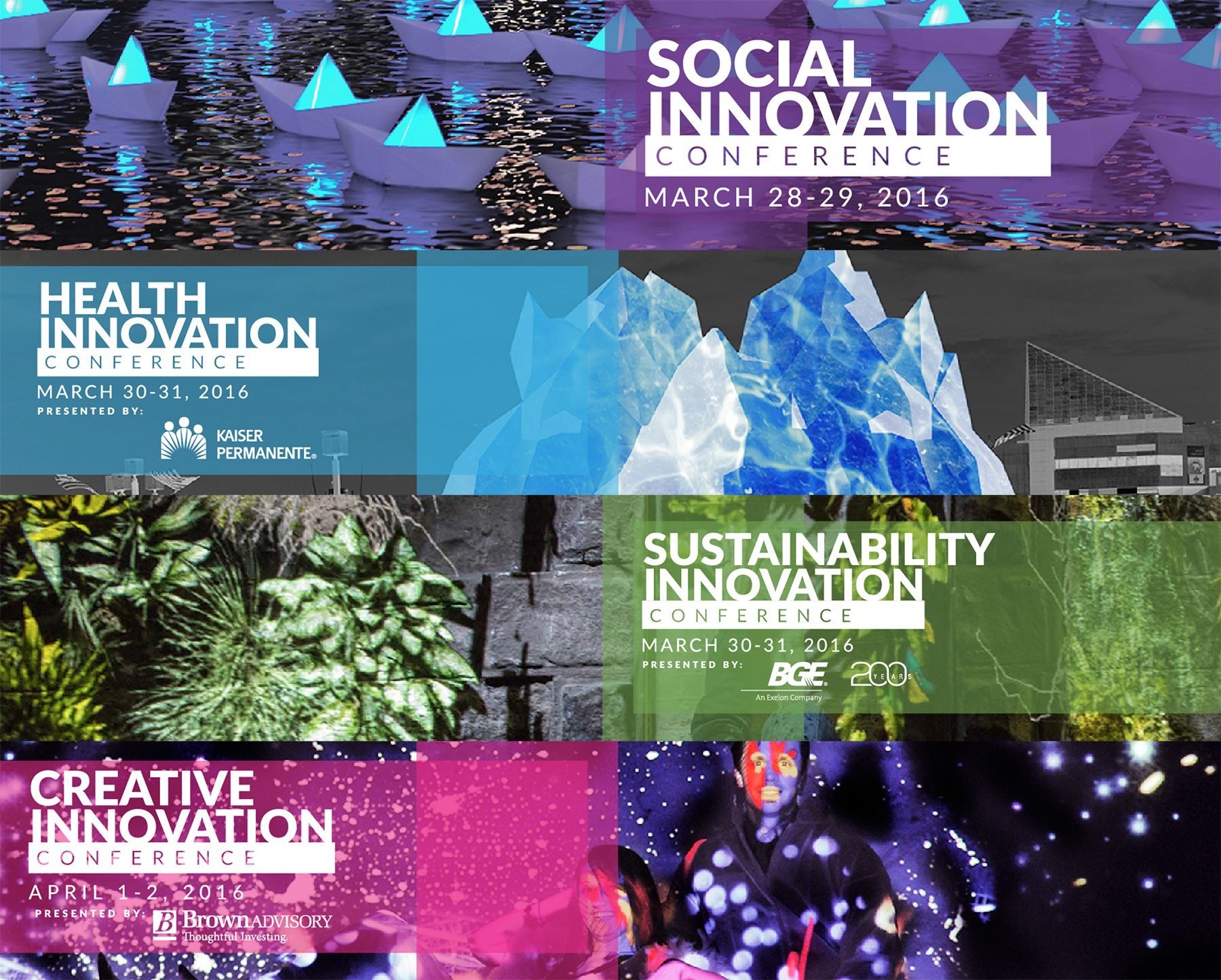
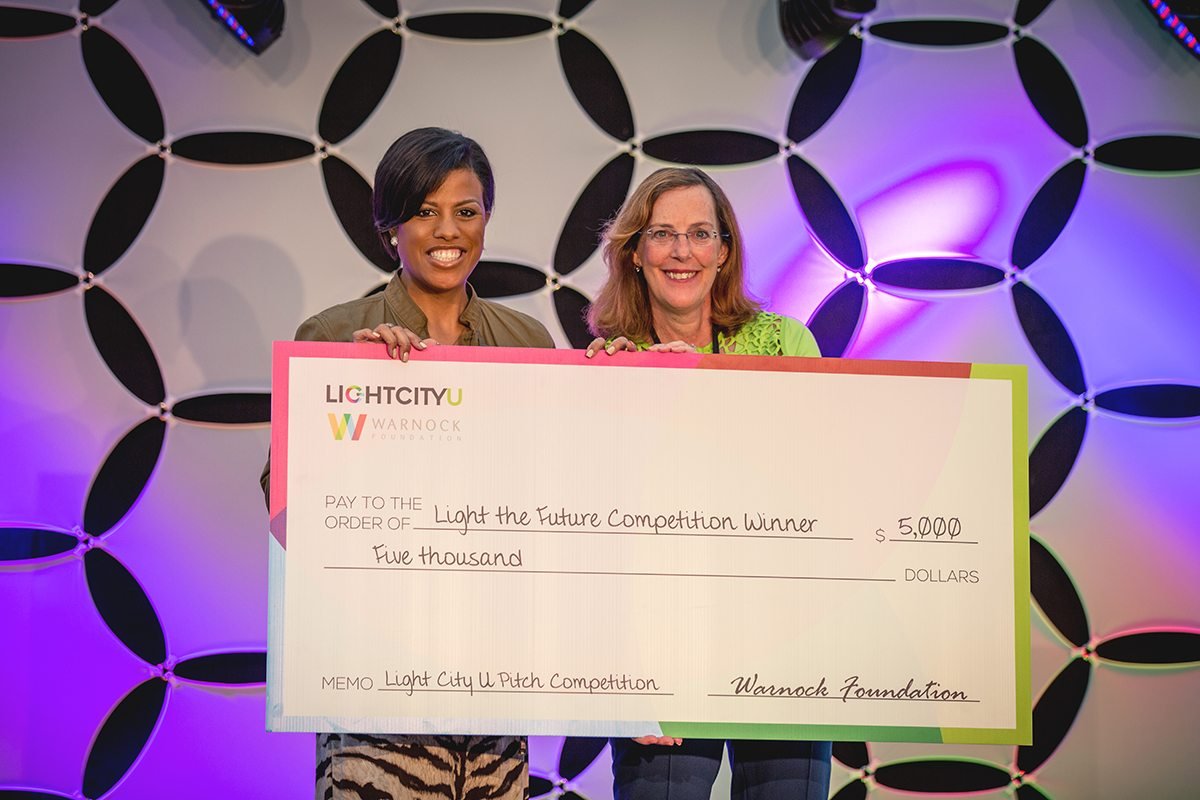
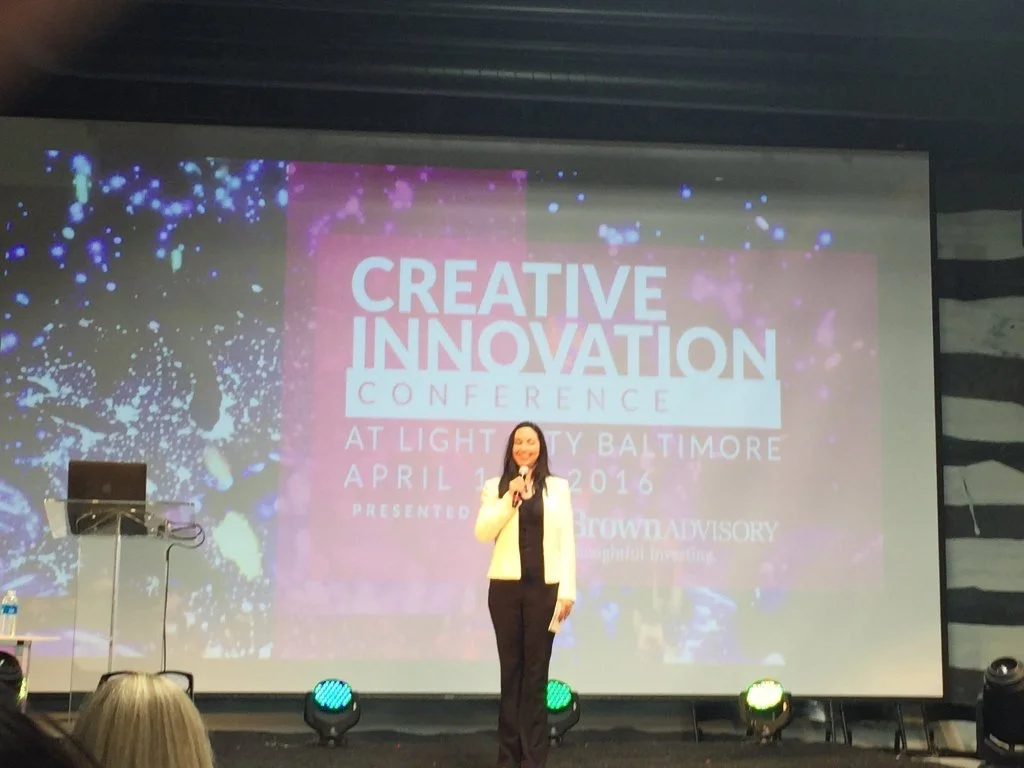
What Works Studio was later brought on to lead branding, website development, marketing, social media, and the production of Light City U, the festival’s innovation conferences.
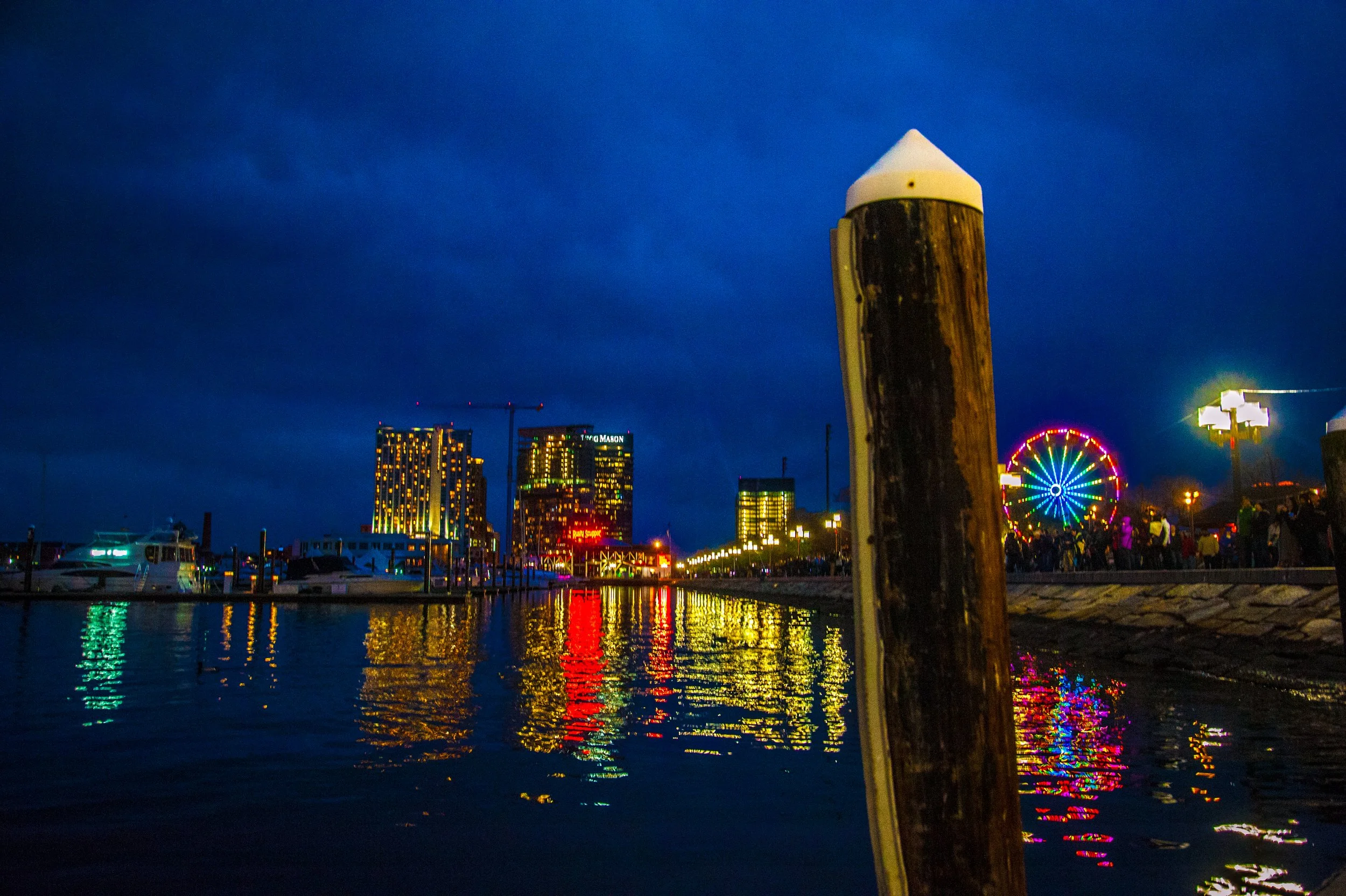
What followed was one of the most ambitious cultural undertakings in Baltimore’s history. Over three years, Light City generated $111.6 million in economic impact, welcomed more than 1.3 million attendees, and earned more than 2.9 billion media impressions. The Inner Harbor became a luminous showcase seen around the world, establishing Baltimore as a center of creativity, innovation, and cultural reinvention.
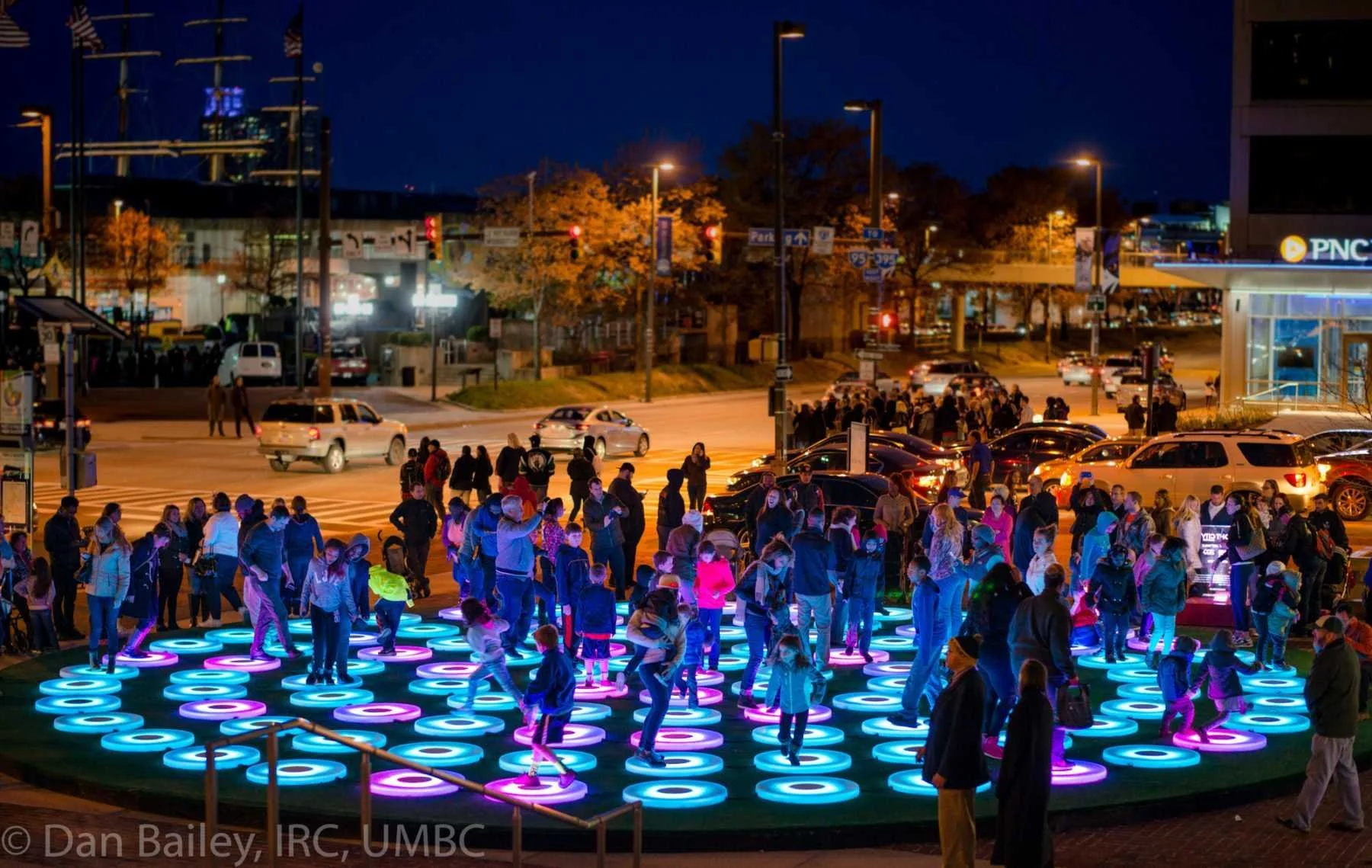
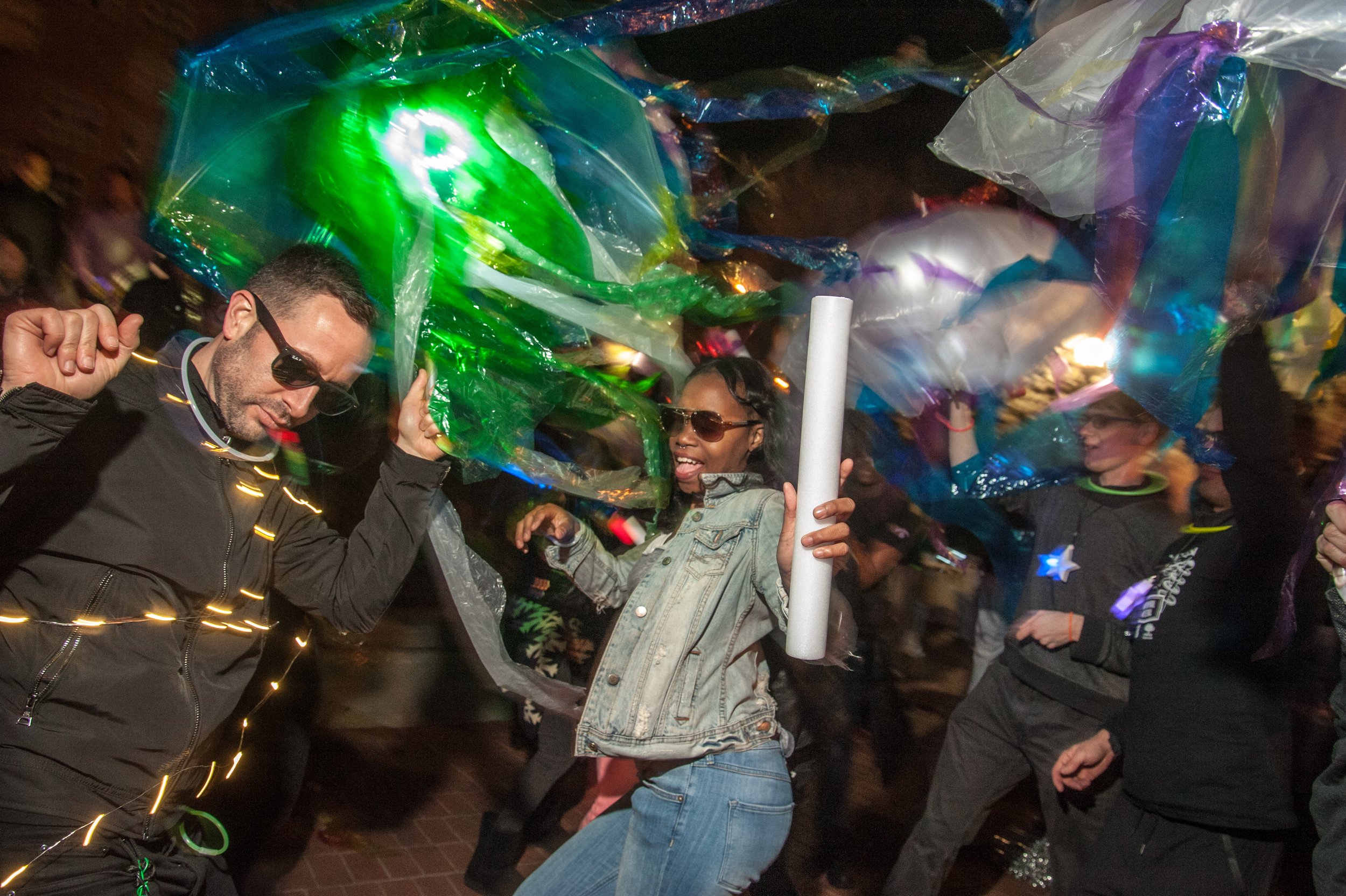
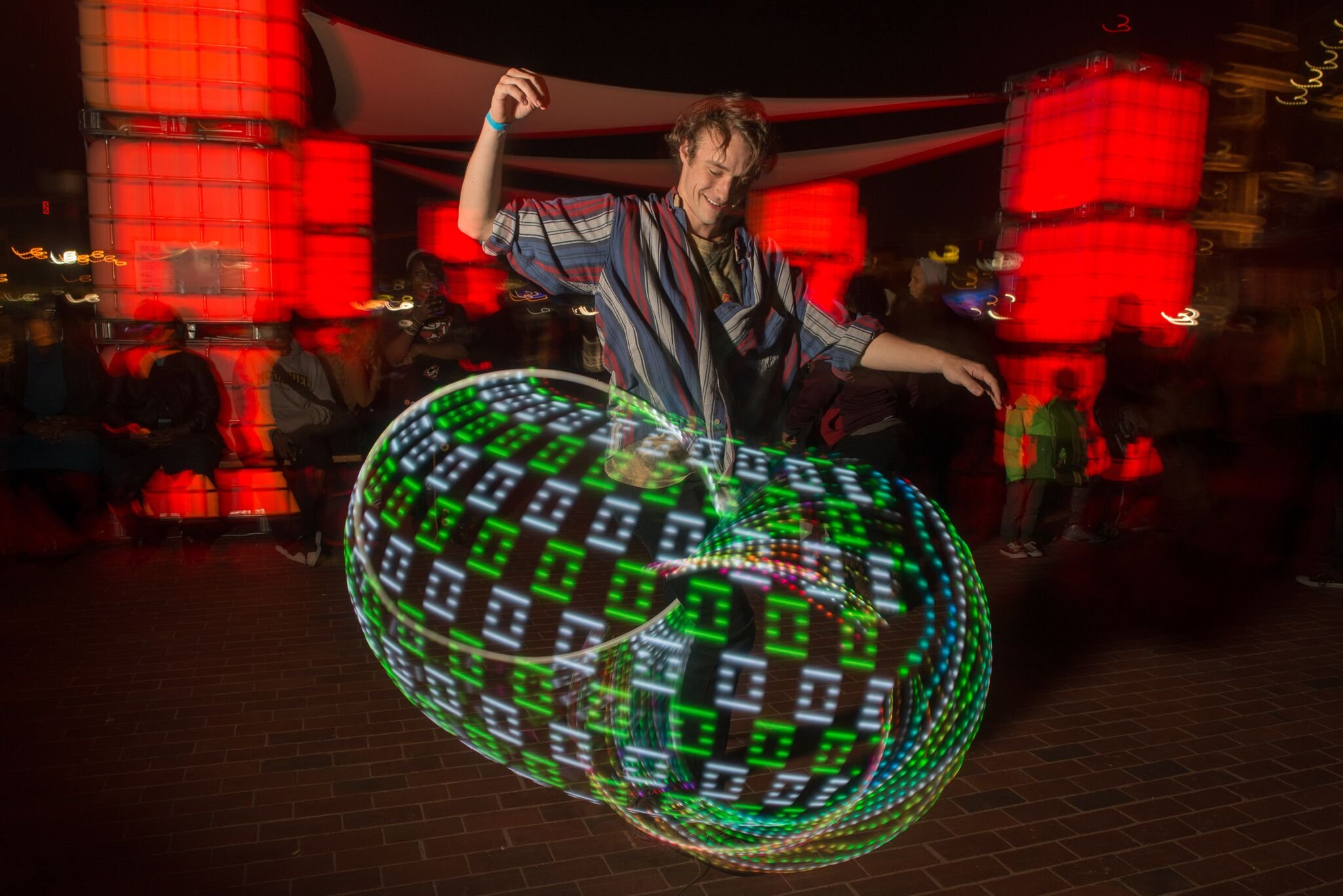
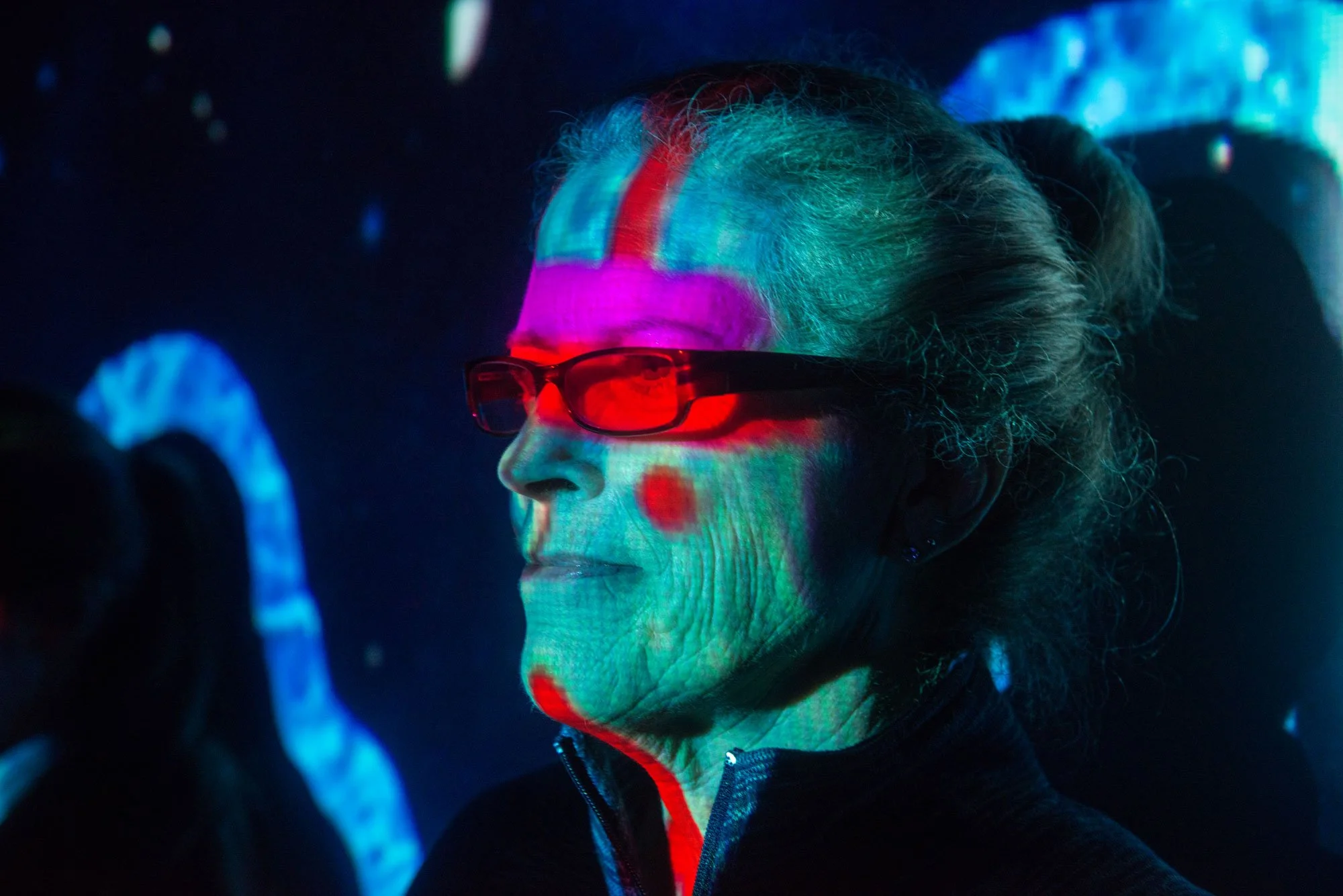
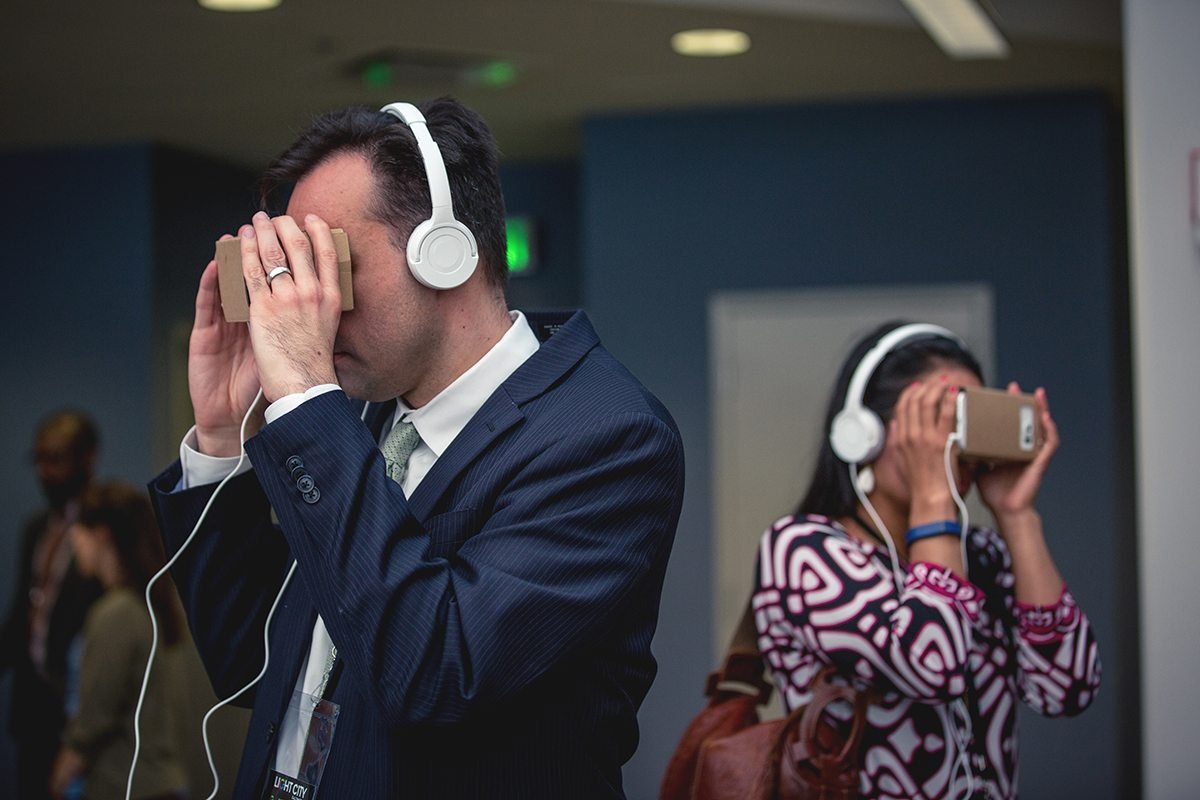
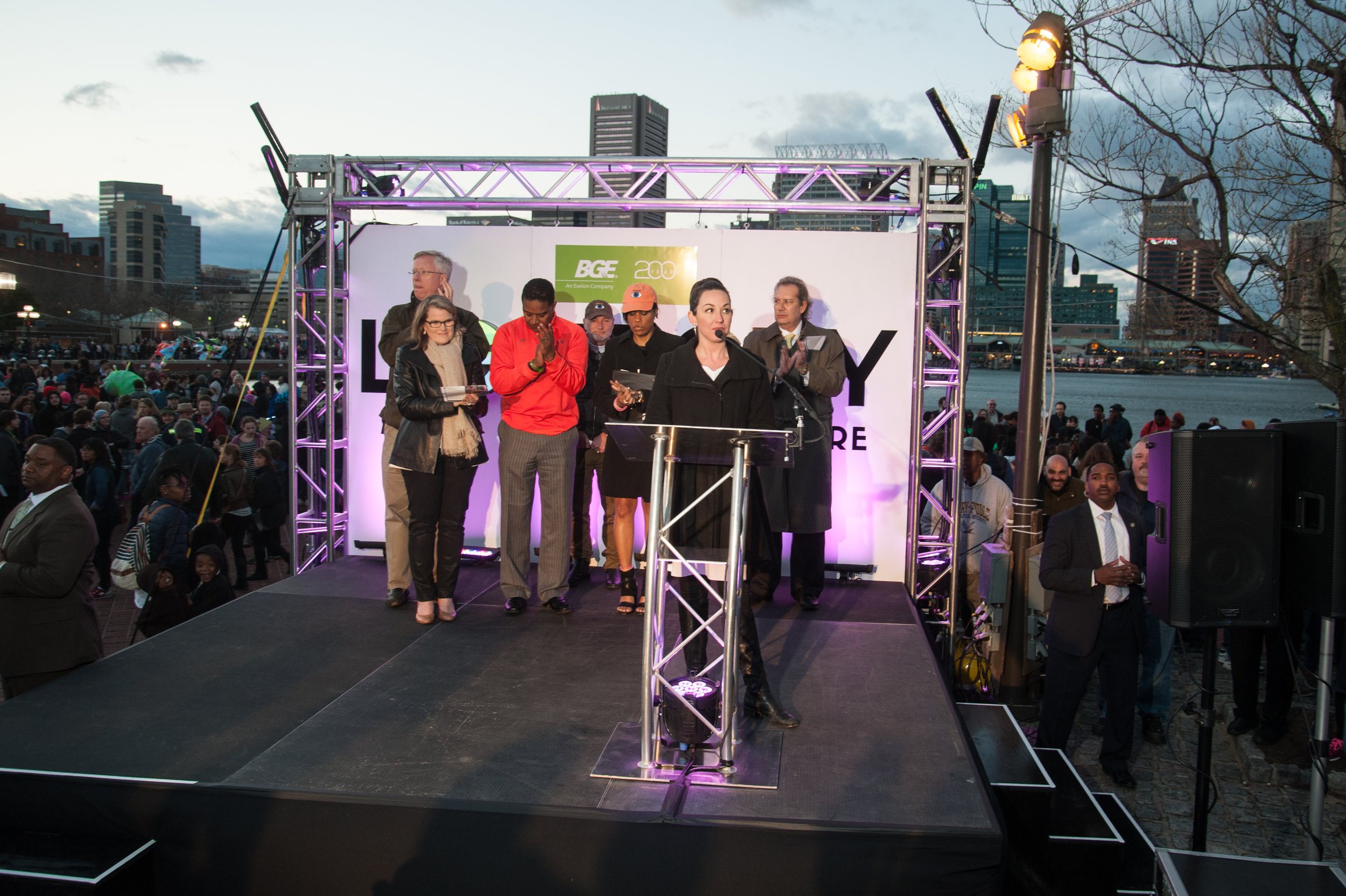
The festival’s debut transformed the waterfront into a walkable gallery of large-scale light art and live performance. More than 400,000 people attended in its first year alone. Audiences explored immersive installations created by artists and technologists from around the globe while the city’s skyline shifted into a canvas for color, story, and imagination. The atmosphere was electric.
Families, artists, and visitors filled the promenade late into the night. Local businesses saw record sales, national reporters descended on Baltimore, and the city experienced an emotional and economic boost at a moment when it needed it most.
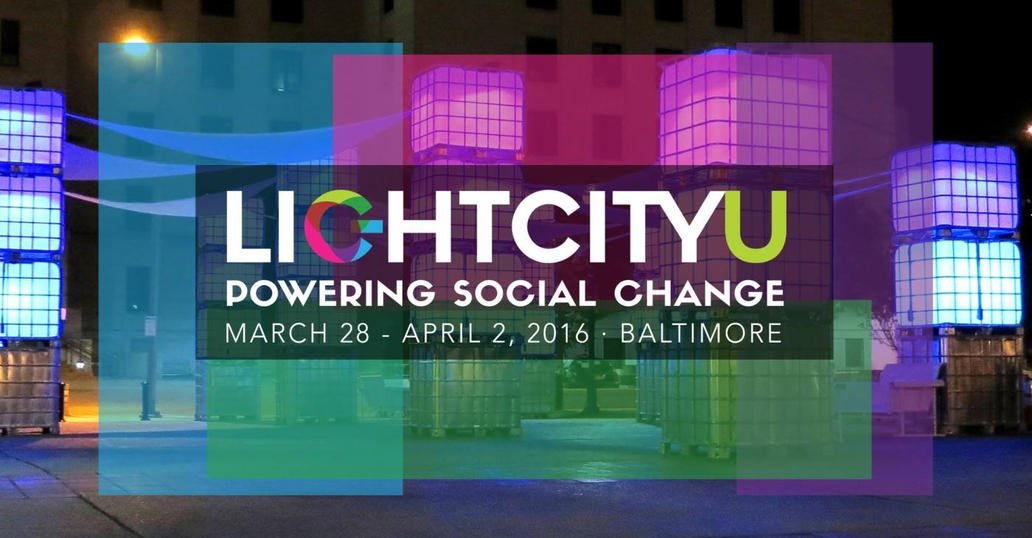
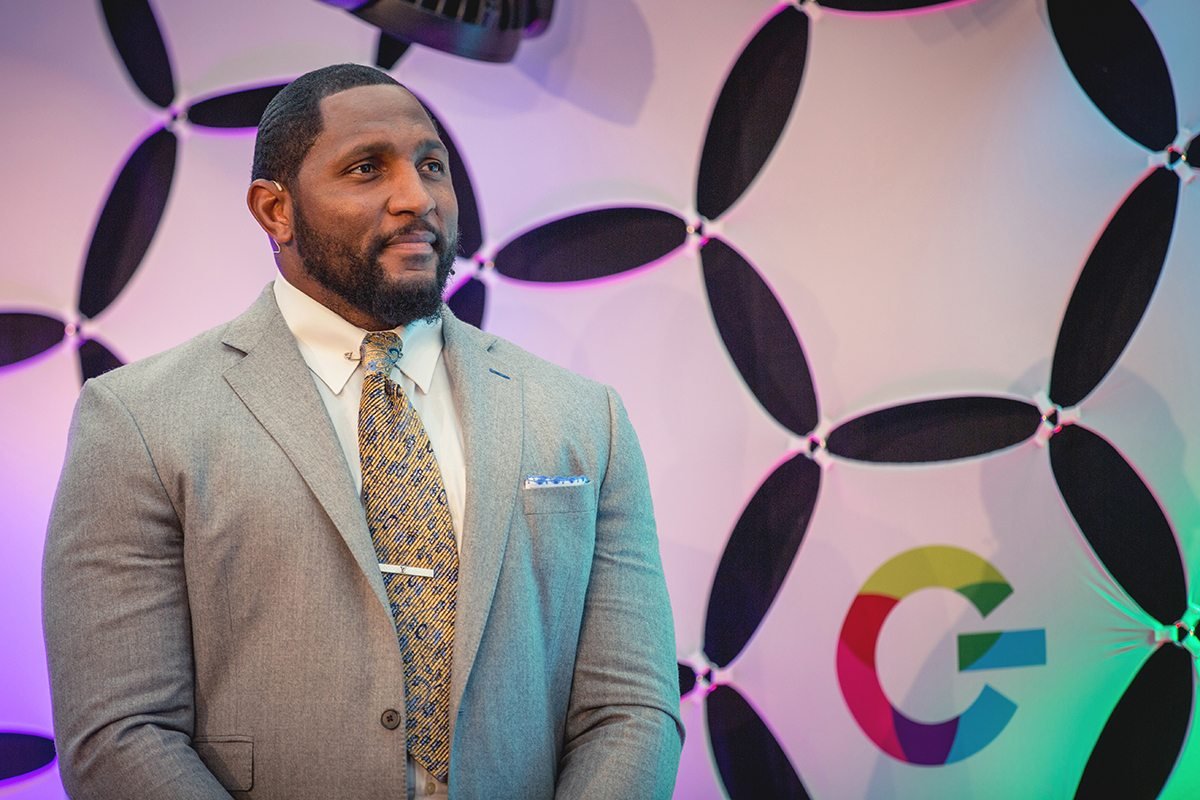
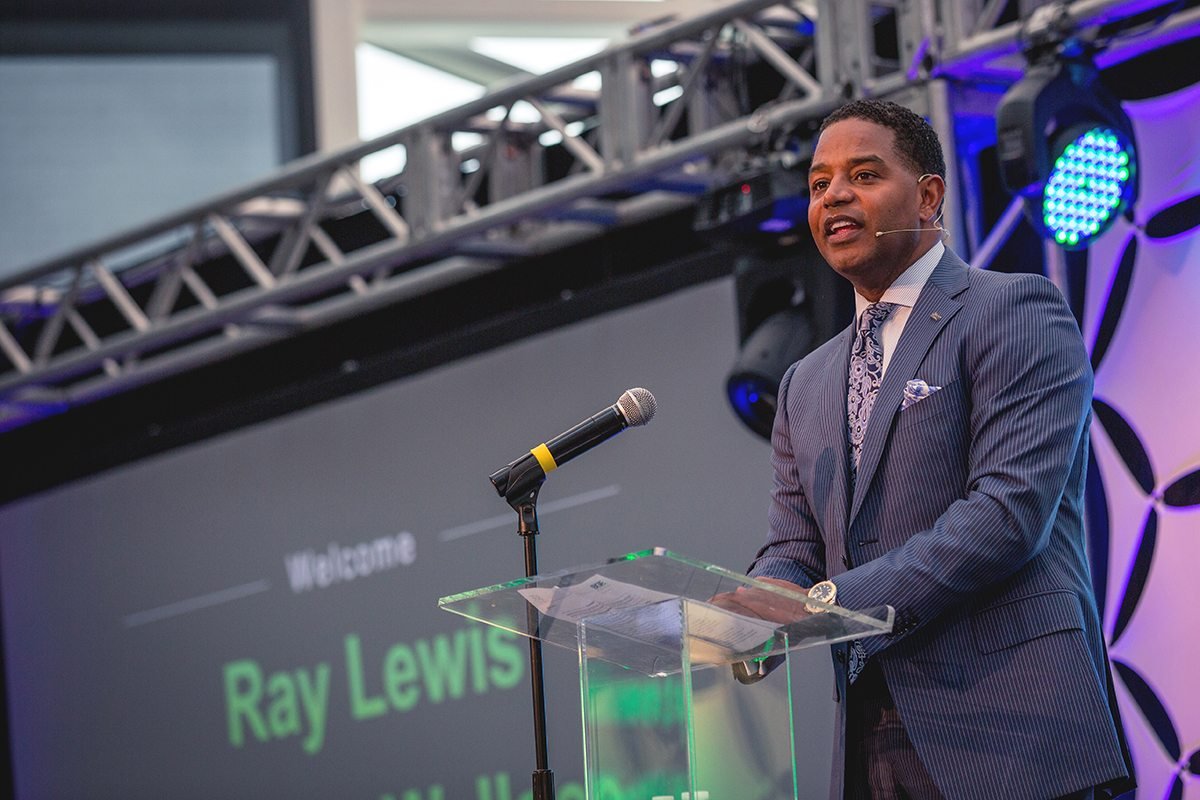
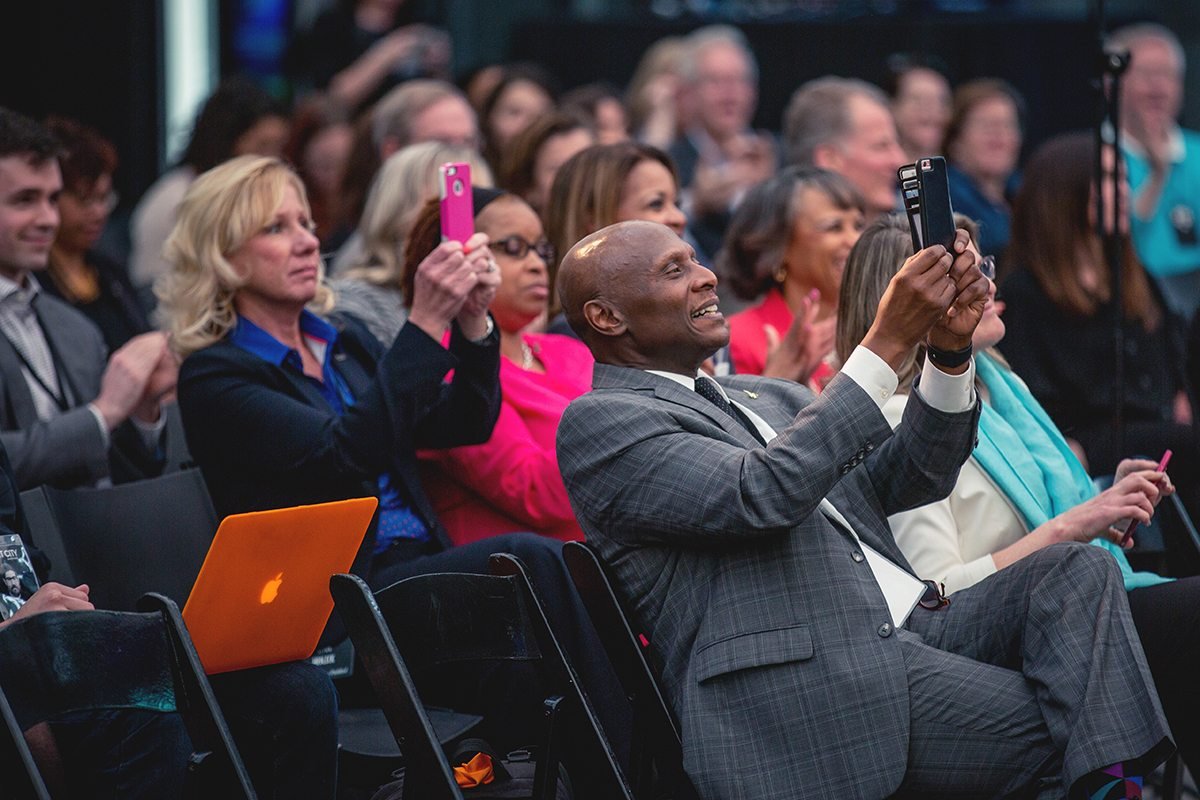
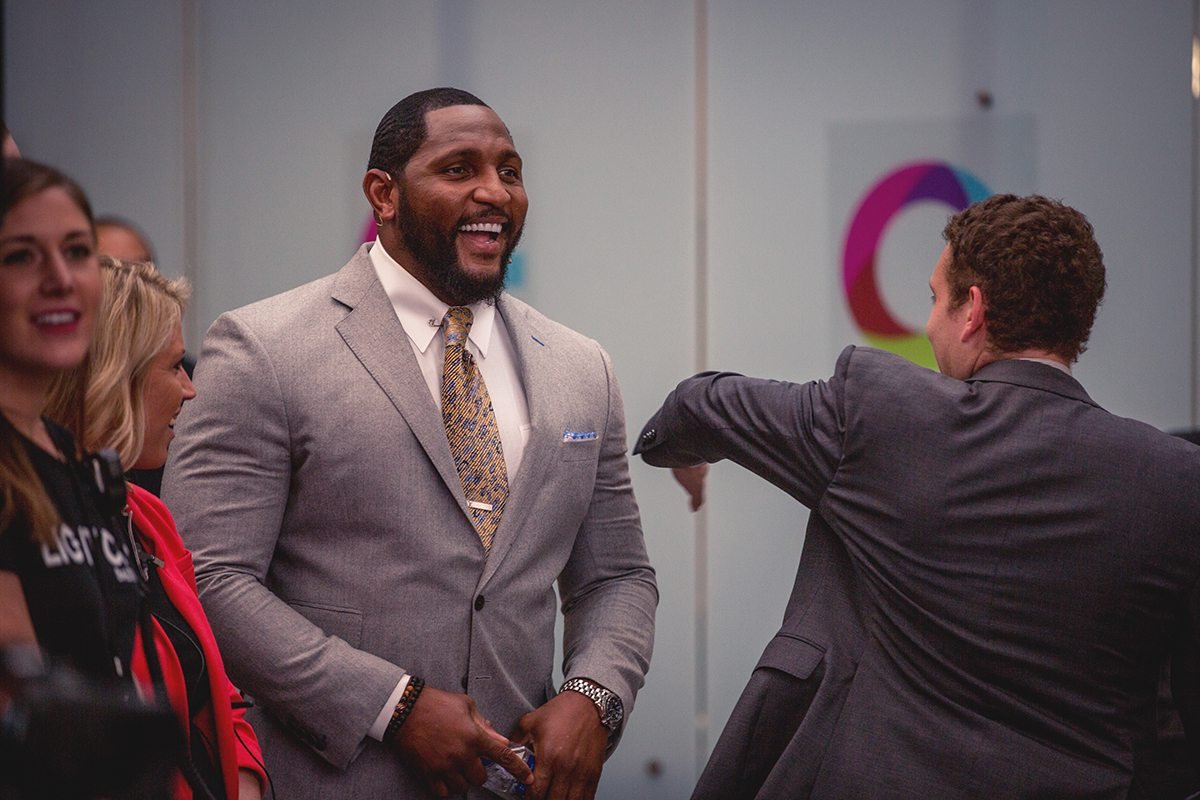
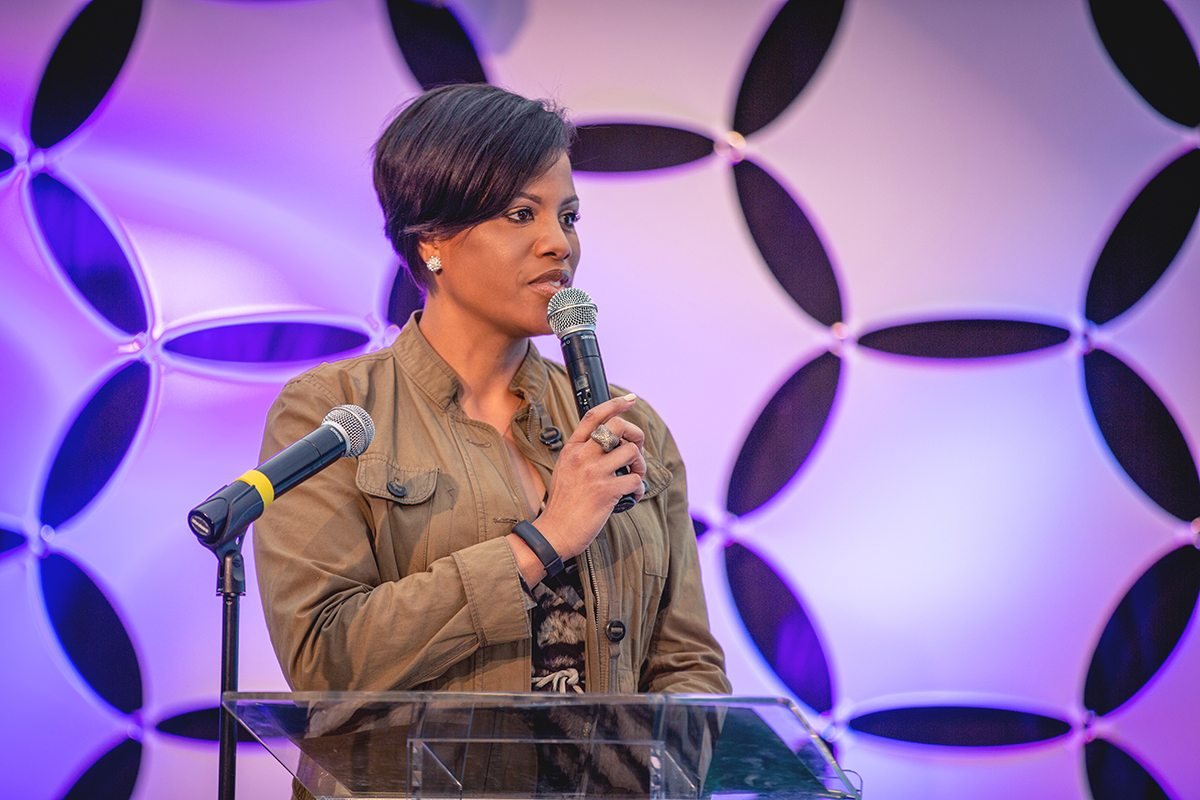
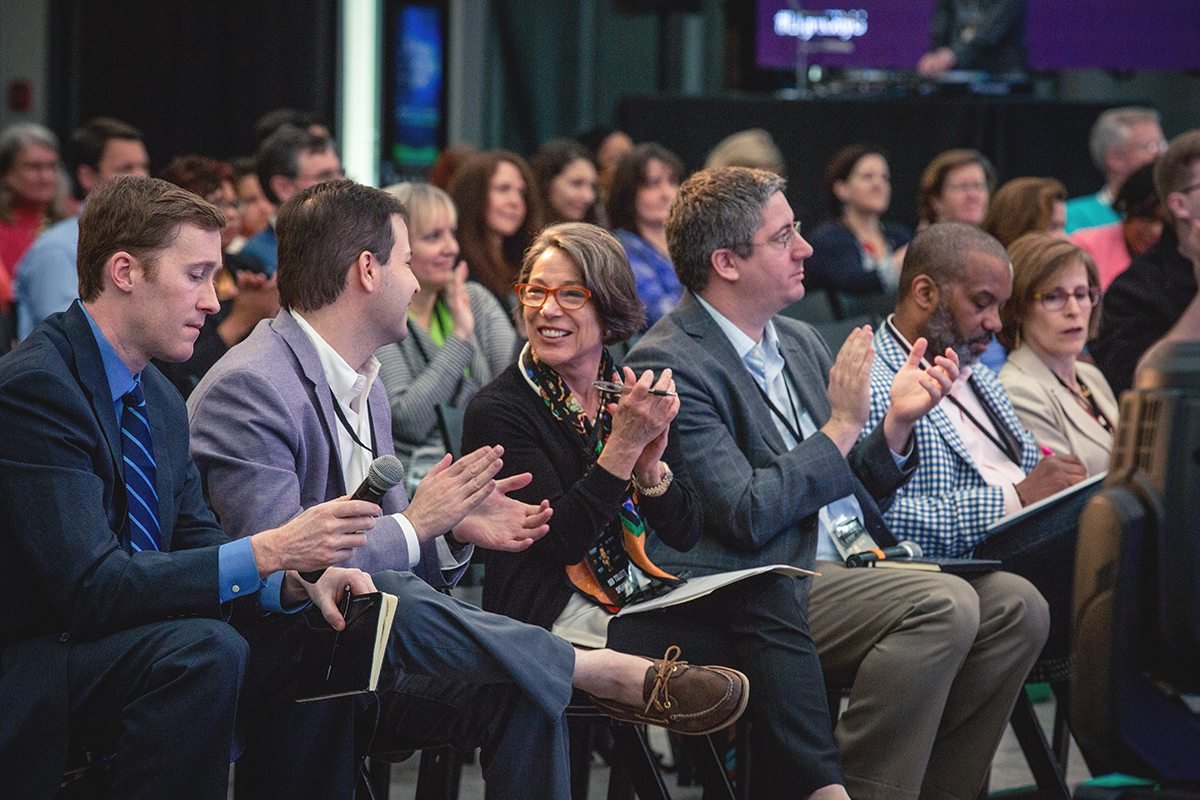
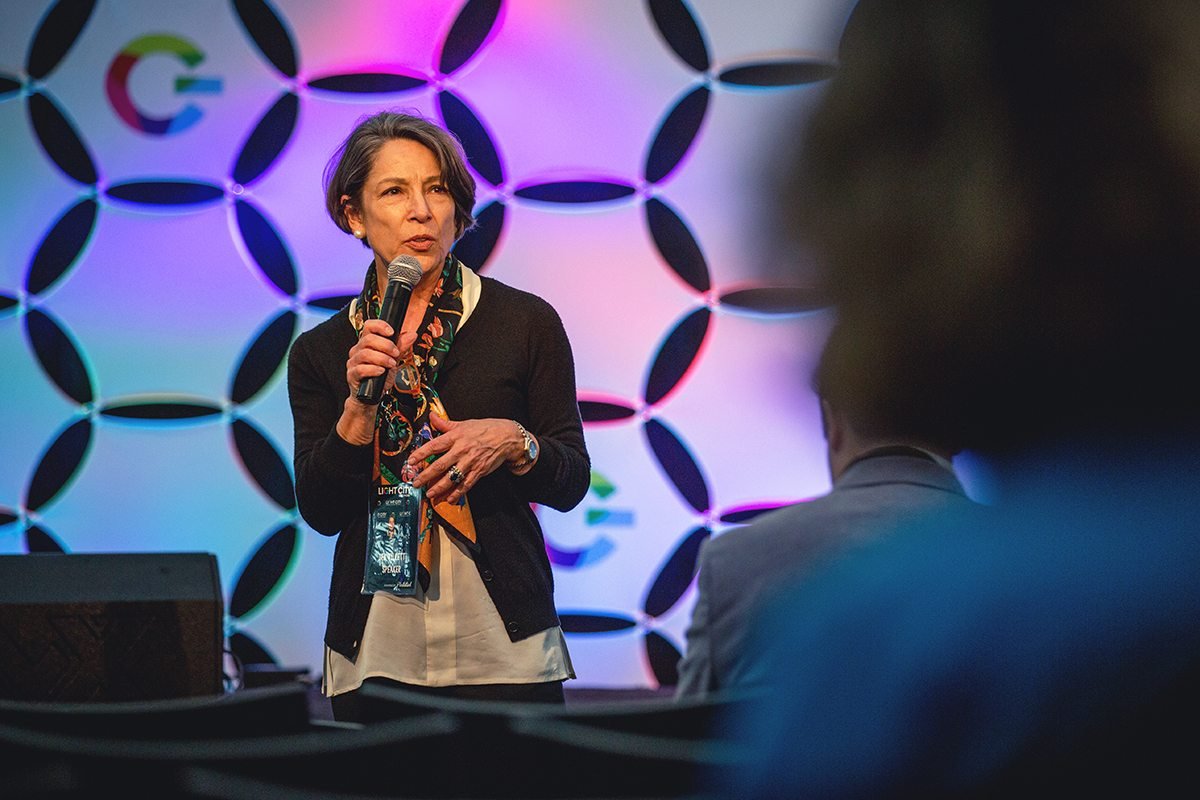
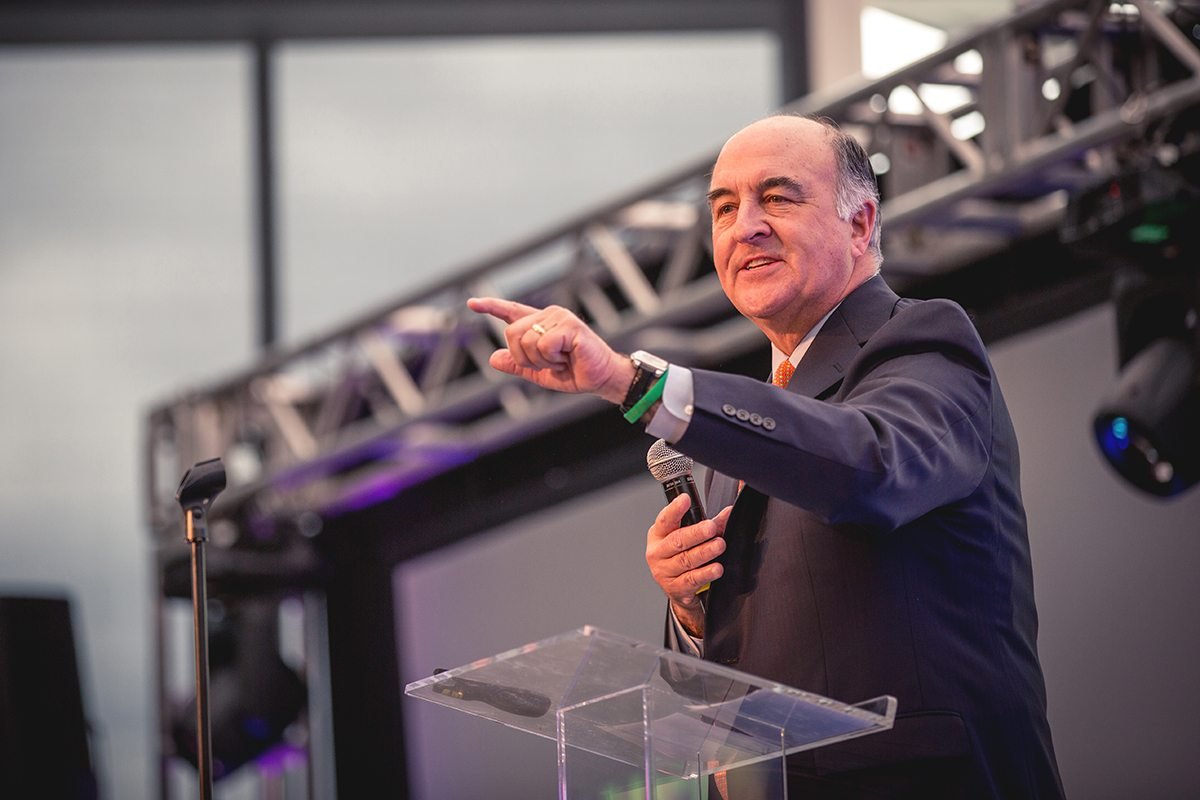
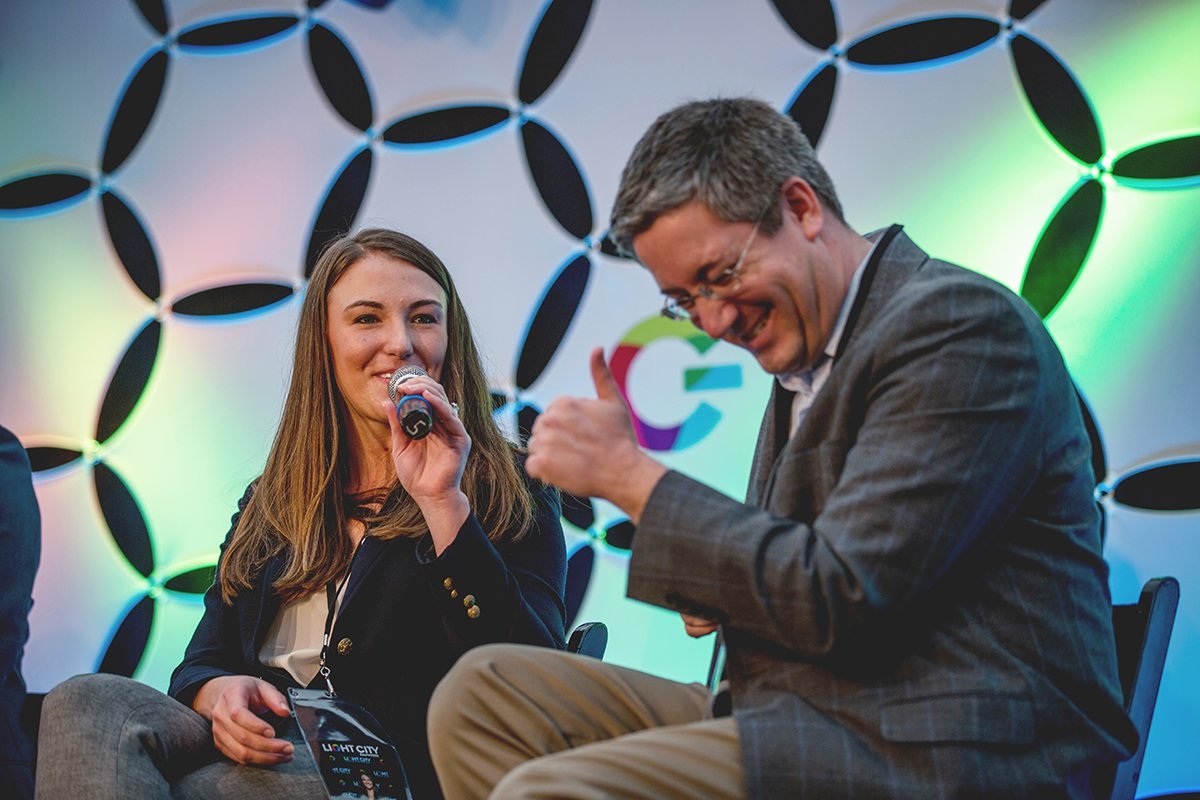
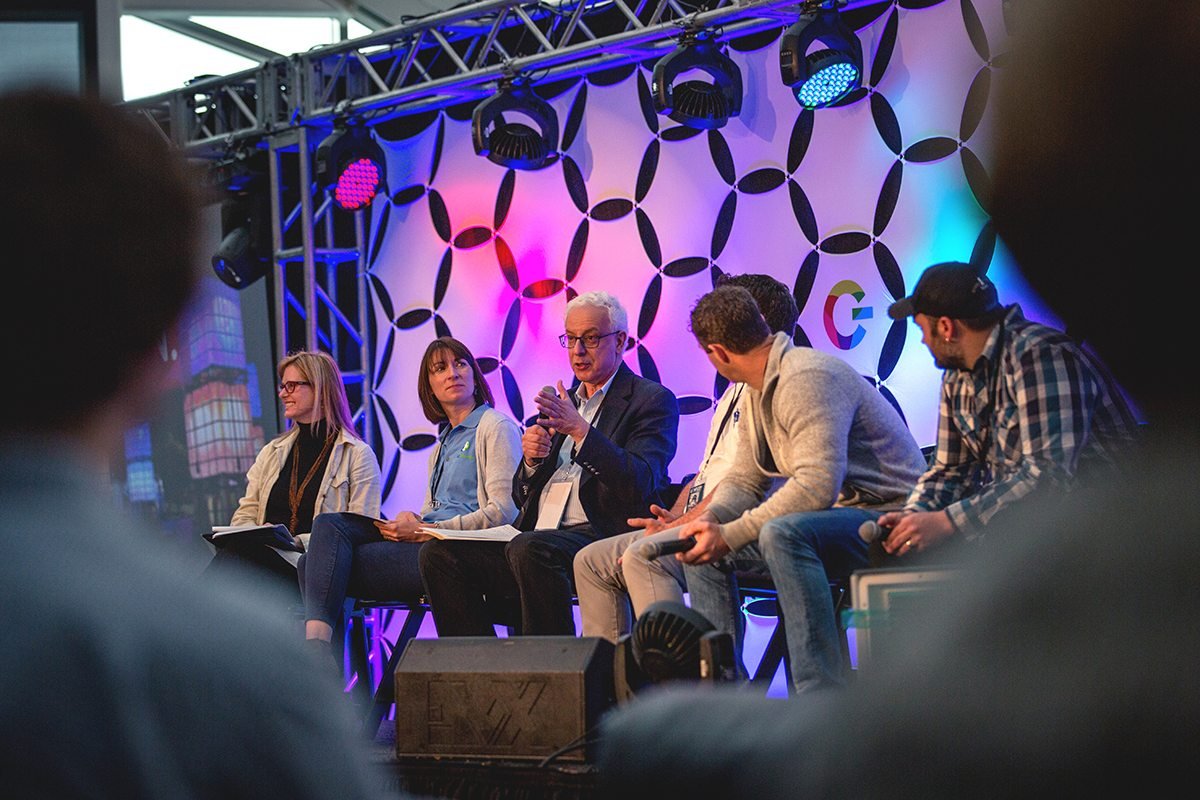
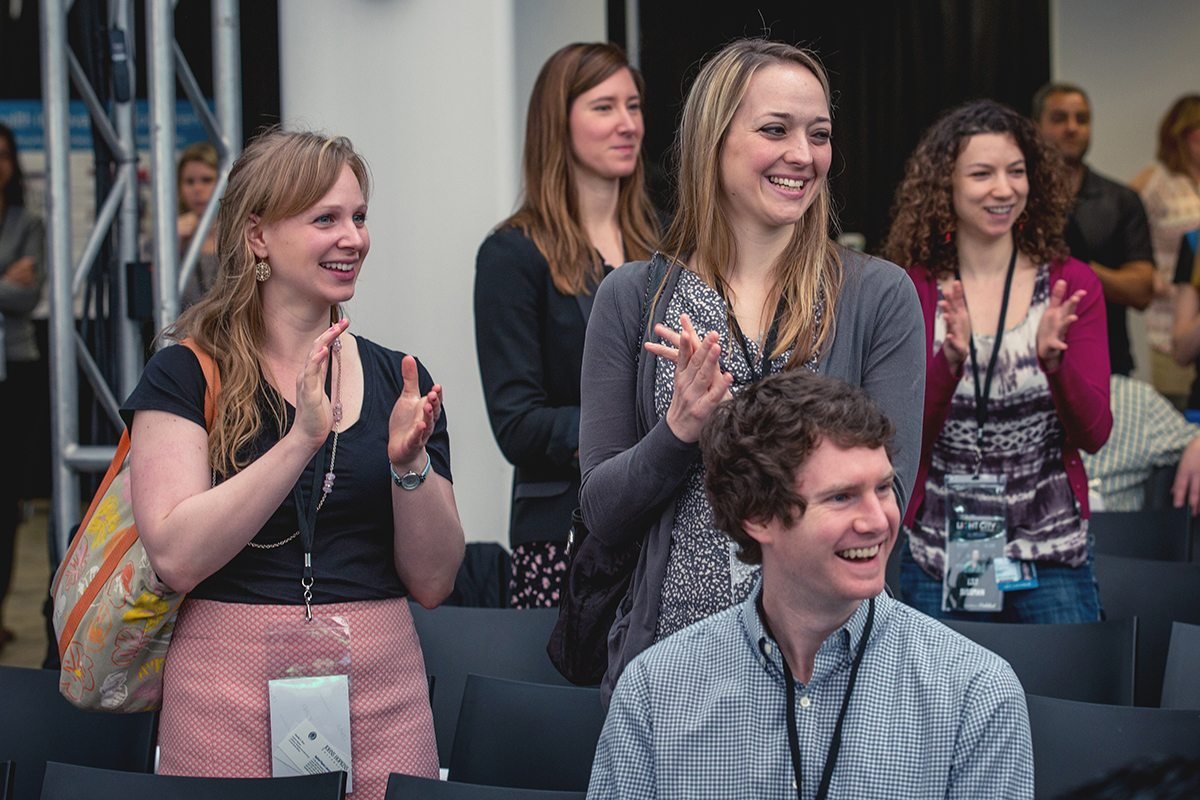
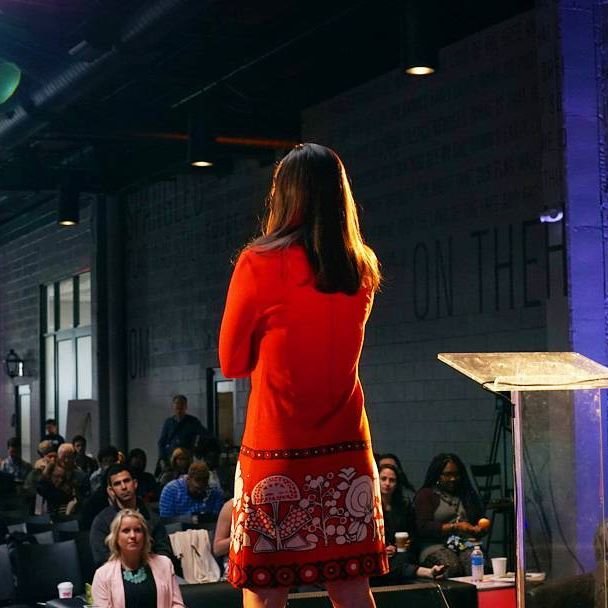
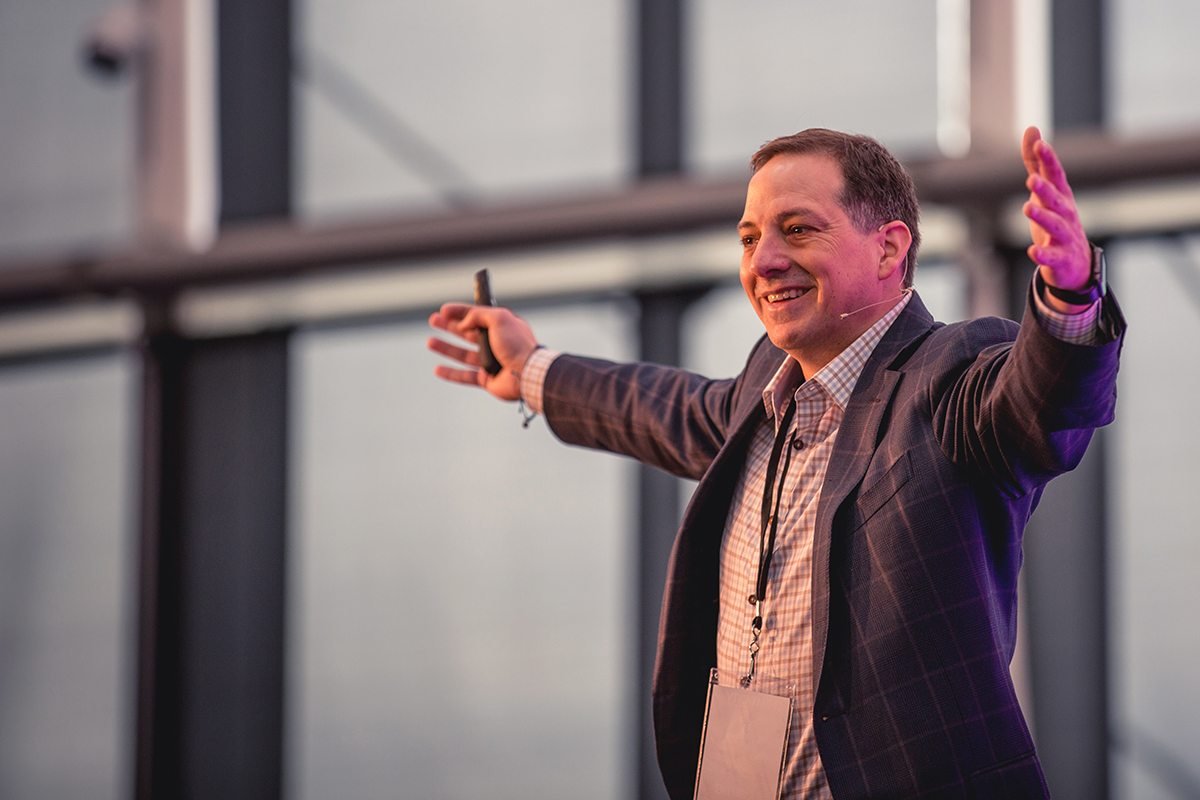
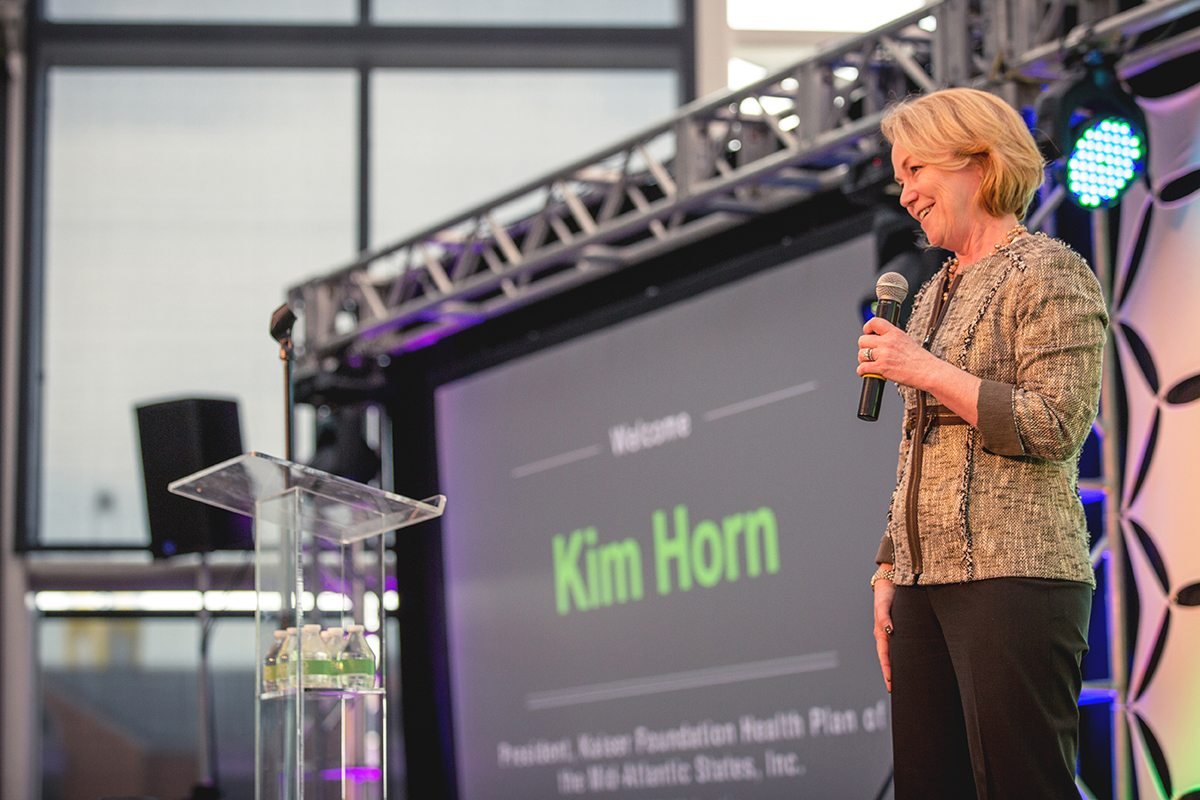
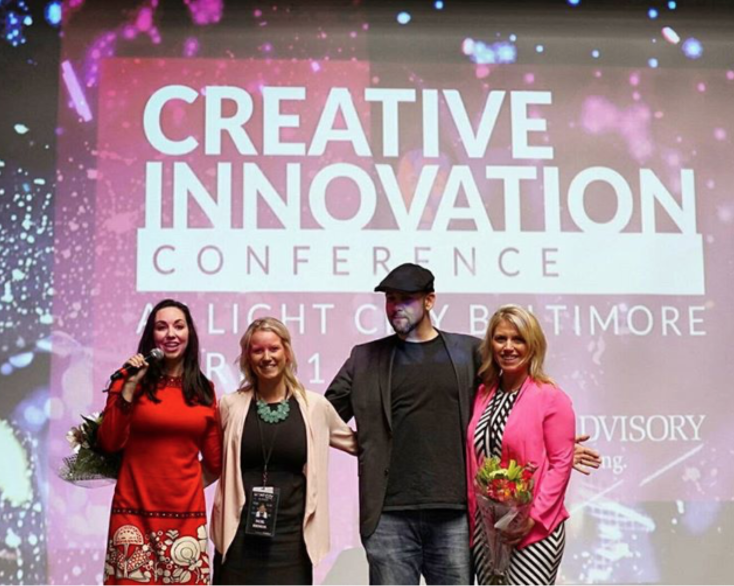
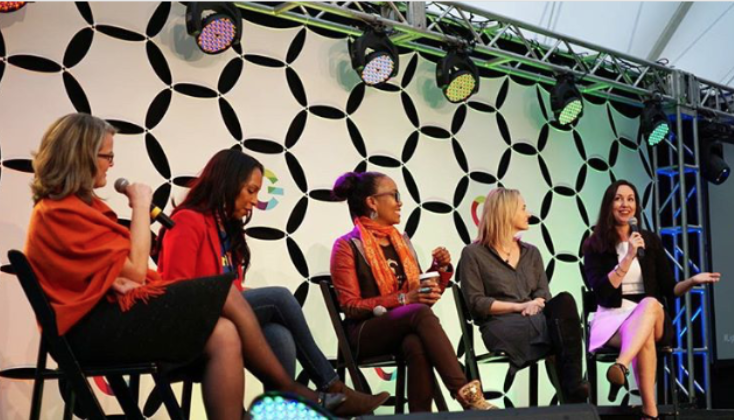
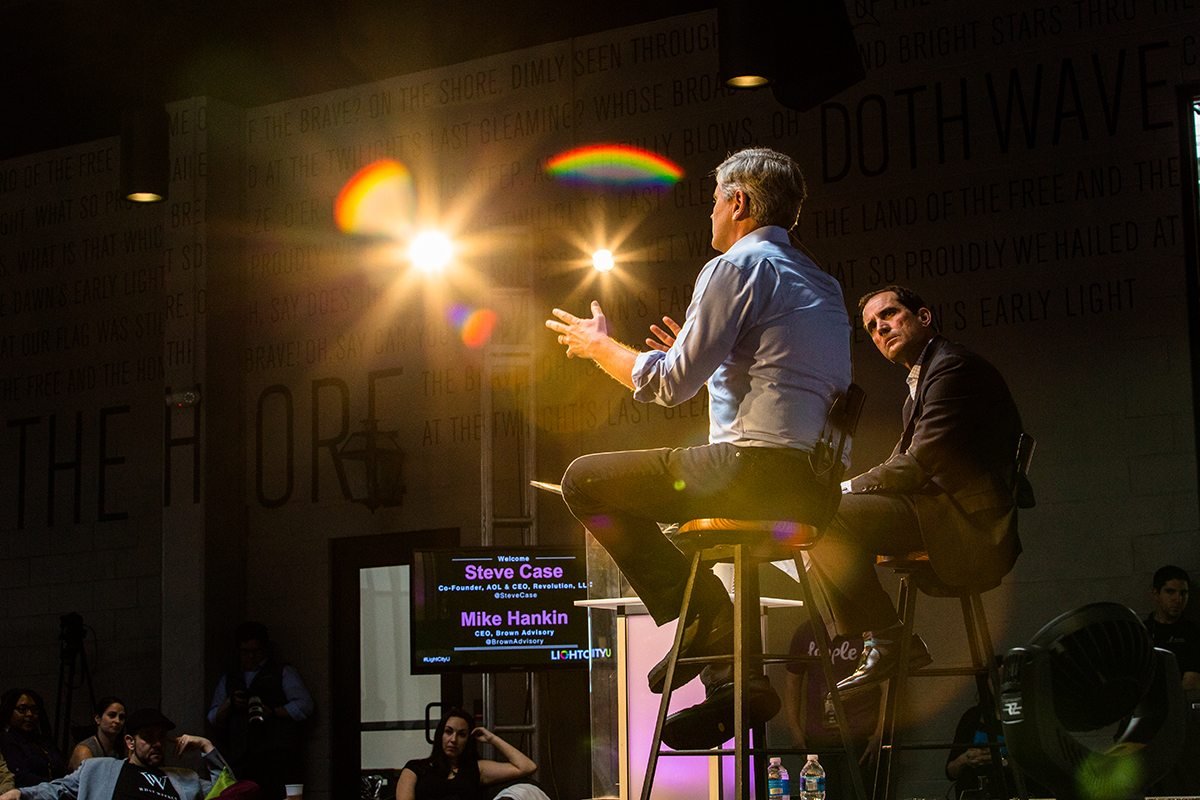
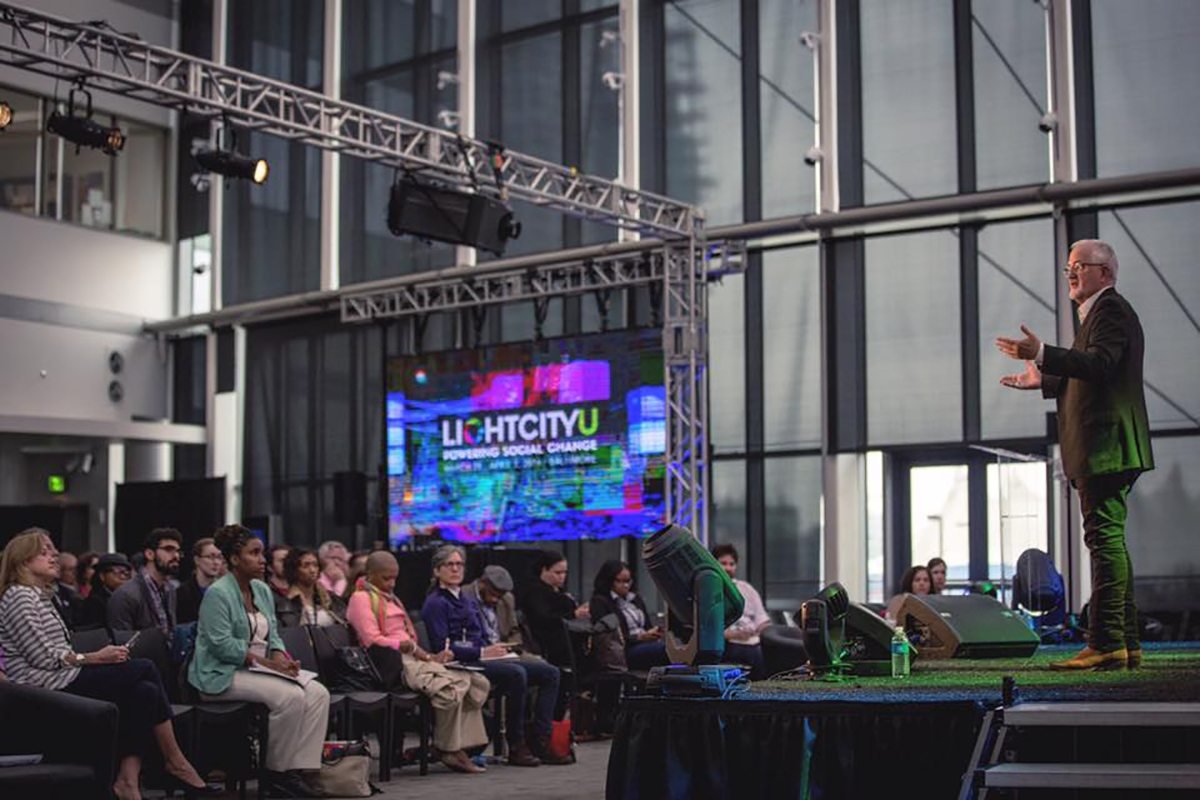
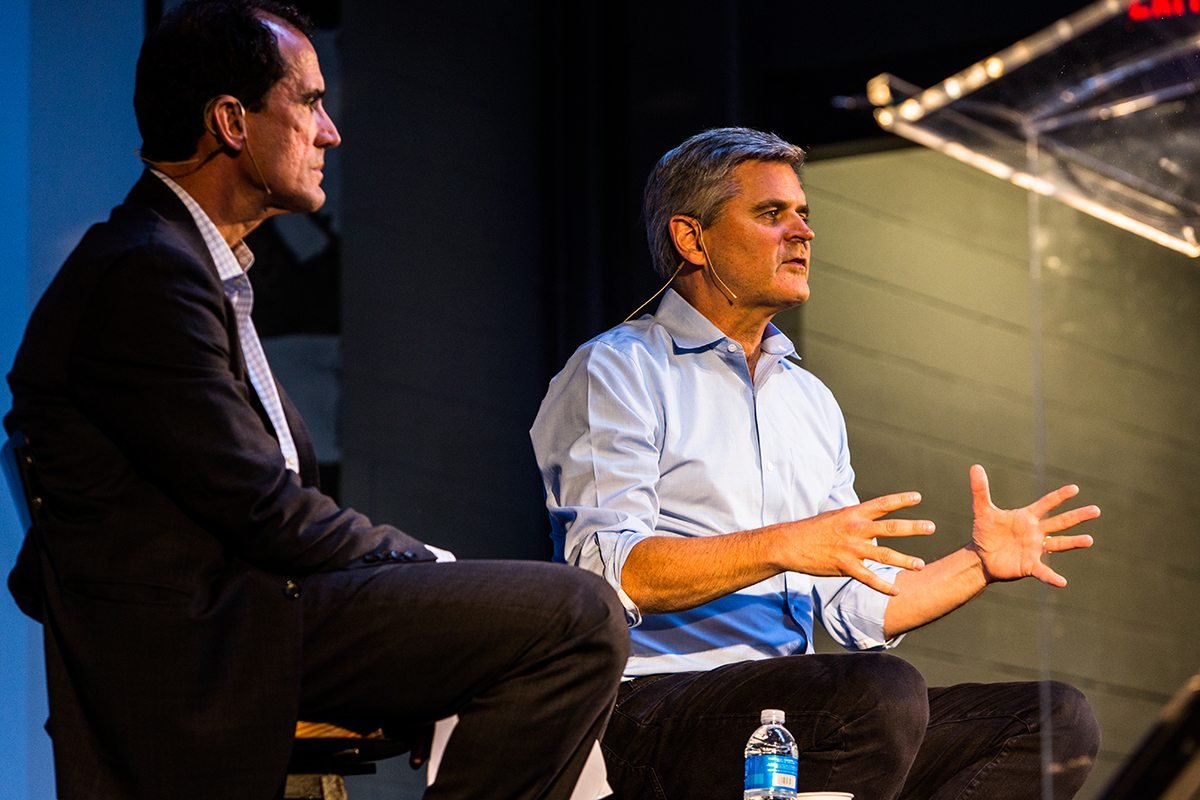
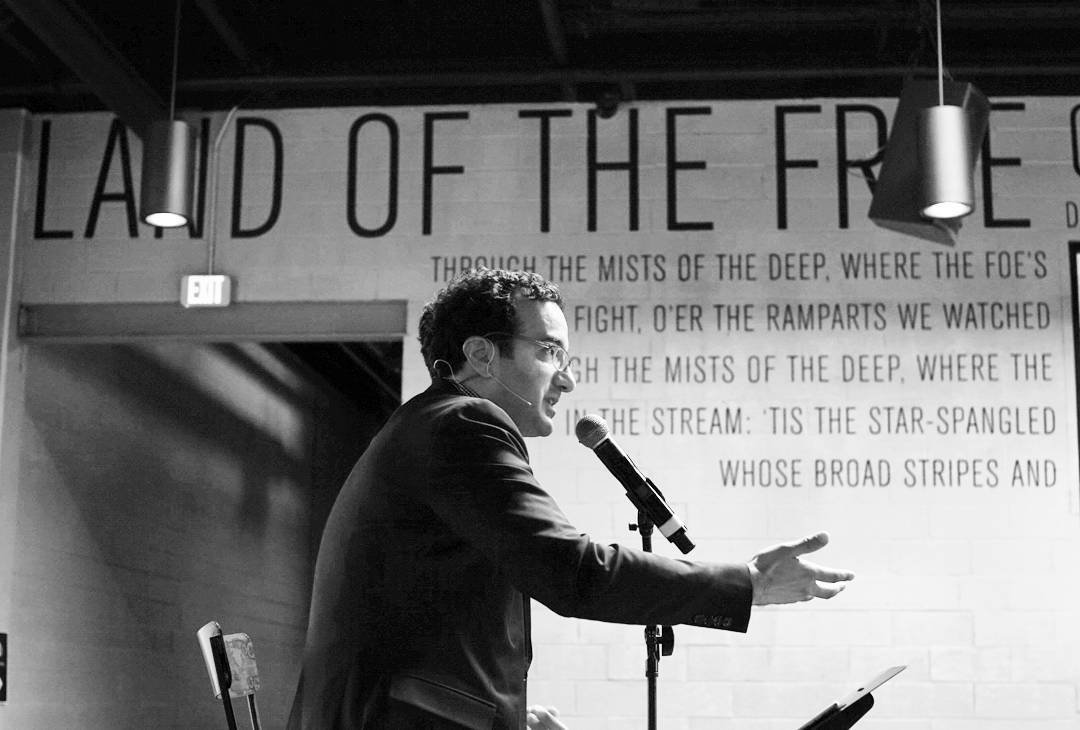
Light City U, developed and produced by What Works Studio, added a powerful intellectual dimension to the festival. The conferences brought together leaders in social justice, sustainability, health, and creative industries. Speakers included Ray Lewis, Andrew Yang, Steve Case, Amy Webb, Jad Abumrad, Thomas Dolby, and many others. All six days sold out. The sessions generated national conversation and positioned Baltimore as a place where ideas could spark meaningful change.
Only after Light City was underway did most people learn the origin story. Two years earlier, on a late-summer road trip, Brooke and Justin had been talking about Baltimore’s future and the need for an event that could restore civic pride, attract new energy, drive economic development, and tell a different story about the city. Somewhere between highways and horizon lines, the idea crystallized. By the time they returned home, the name was chosen, domains were purchased, and a seed of belief had taken root. That early spark, coupled with an unwavering faith in Baltimore’s potential, became the foundation for everything that followed.
Before Light City gained institutional backing, Brooke and Justin launched a grassroots campaign. They brought the concept first to the creative community they had cultivated for years through their magazine, What Weekly, a collective of artists, makers, and dreamers who understood the power of storytelling and public imagination. The idea spread quickly. Many local artists became early champions, community members offered support, and momentum built from the ground up.
As the festival evolved, local and international artists joined the movement. Many debuted their first large-scale light installations at Light City and went on to build lasting careers in the global light-art world. The festival became not only a civic event but a creative catalyst.
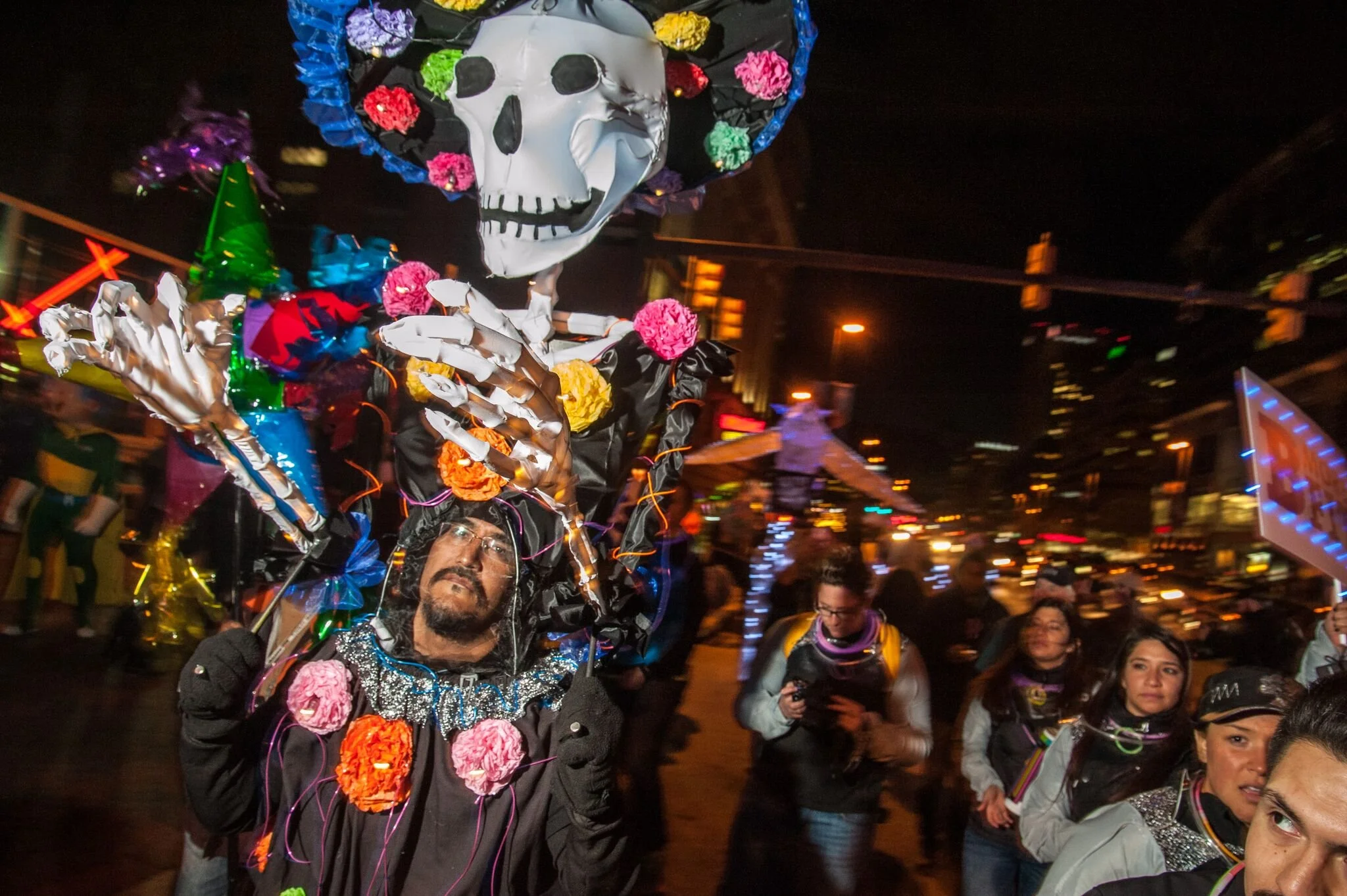
Light City grew into a citywide collaboration involving artists, musicians, nonprofit leaders, community groups, architects, technologists, sponsors, volunteers, and a production team of more than five hundred people. It was a demonstration of what a community can build when it chooses imagination over inertia.
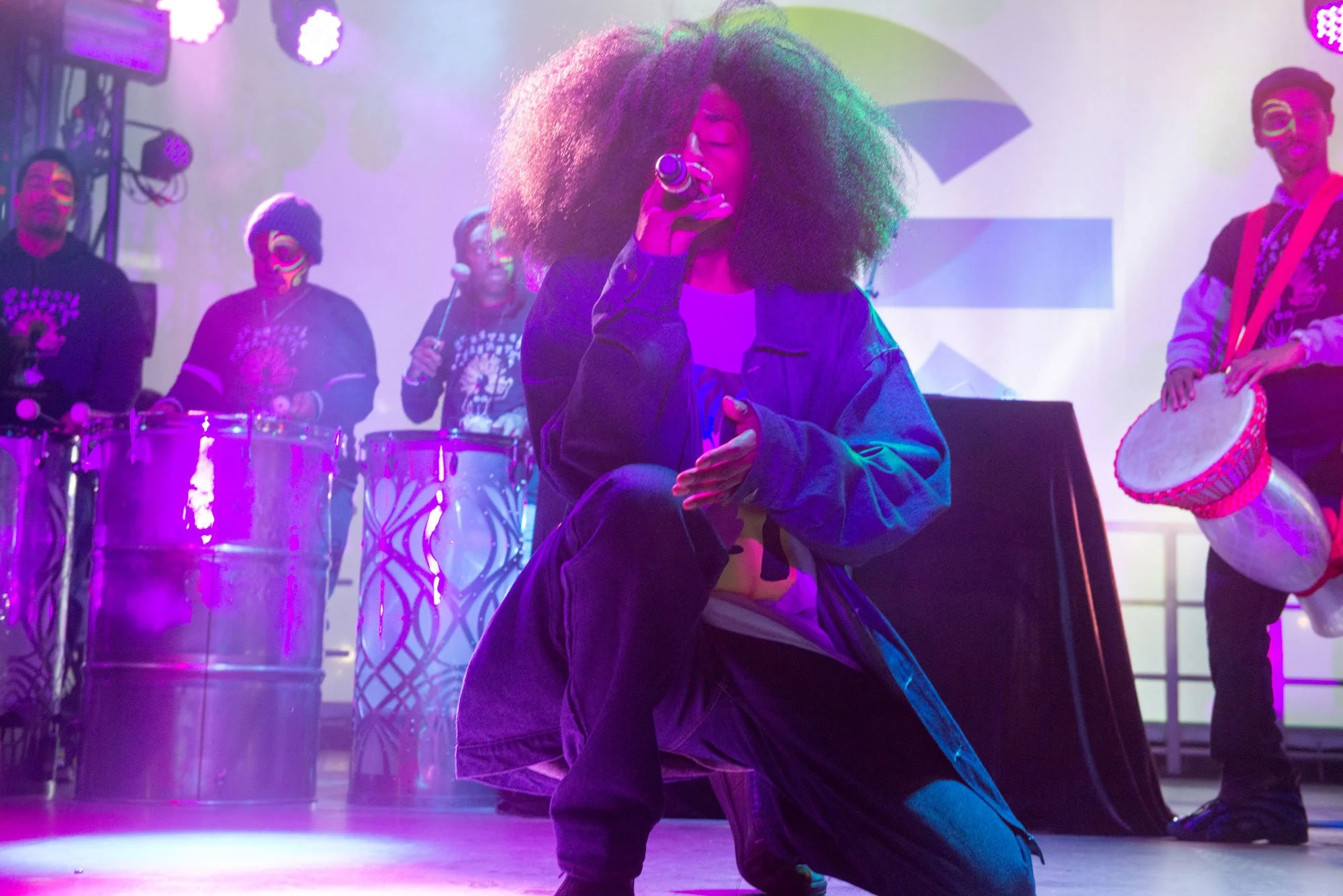
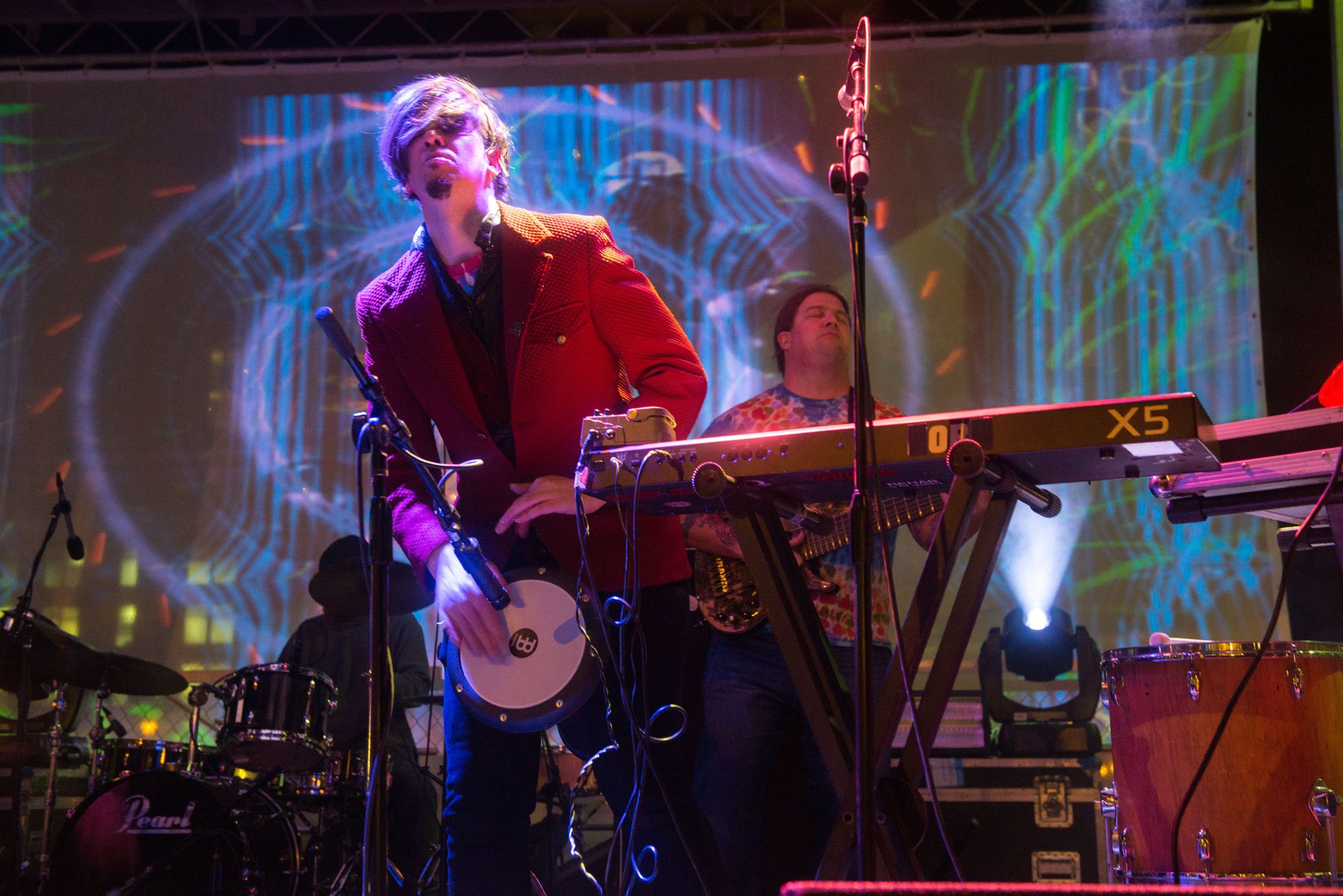
By the time the first festival opened in 2016, Baltimore had staged something unprecedented: 29 large-scale light artworks along the waterfront, more than 100 concerts and performances, six sold-out days of Light City U, over 400,000 attendees in seven nights, and $33.8 million in economic impact, a return on investment of approximately 956%.
The momentum only expanded from there.
In 2017, Light City extended to nine nights and eight neighborhoods. An estimated 470,000 people attended, more than one billion media impressions were recorded, and the economic impact rose to $44.3 million. The ROI soared to approximately 1,097%, reinforcing that Light City was not only culturally magnetic but economically transformative.
In 2018, the festival evolved again, expanding to three weekends and fourteen neighborhoods. That year, Light City welcomed 442,500 attendees, generated more than 1.6 billion media impressions, and produced $33.5 million in economic impact, an ROI of roughly 737.5%. The economic and cultural returns remained extraordinary.
Press coverage was extensive and enthusiastic. The New York Times, CNN, Fast Company, The Baltimore Sun, The Washington Post, Fox News, Southwest Magazine, and many others highlighted the festival’s originality and impact. Baltimore Magazine said of Hall and Allen “they traffic in big ideas.” The Baltimore Magazine described the festival as “Baltimore’s best.” Community members wrote love letters in local papers. National travel editors added Light City to lists of must-see destinations.
Across three years, Light City proved that large-scale creative experiences can shift narrative, bring communities together, and create tangible economic value. It demonstrated that imagination has power when supported by collaboration, strategy, and relentless belief.
Light City became more than a festival. It became a declaration of Baltimore’s potential.
Though the festival concluded after 2019 and the pandemic shifted the city’s priorities, its impact endures. Light City lives on in the artists it launched, the civic pride it ignited, and the proof it offered that a bold idea can change the trajectory of a city.
For us, Light City will always stand as proof of what can happen when imagination is given room to lead.
Key Outcomes
Created and launched Baltimore’s largest annual cultural event
Generated $111.6 million in economic impact over three years
Drew more than 1.3 million attendees across all festival productions
Produced 2.9 billion+ earned media impressions internationally
Secured BG&E as lead sponsor to celebrate the company’s 200th anniversary
Designed and executed full brand identity, website, mobile design, and marketing ecosystem
Developed and produced Light City U, a six-day innovation conference series
Mobilized a citywide collaboration of 500+ artists, creatives, technologists, community groups, and partners
Showcased 29 large-scale light installations and 100+ performances in Year 1
Sold out six days of Light City U conferences featuring national thought leaders in Year 1
Expanded the festival to 14 neighborhoods by 2018
Achieved ROIs of 956% (2016), 1,097% (2017), and 737.5% (2018)
Generated economic impact of $33.8M (2016), $44.3M (2017), and $33.5M (2018)
Selected Press
The New York Times: “52 Places to Go in 2018”
CNN — “16 Great Places to Go in the U.S.”
Fast Company: “3 Brilliant Pieces From America’s First Major Light Art Festival”
Baltimore Magazine: Best of Baltimore / Feature Profiles
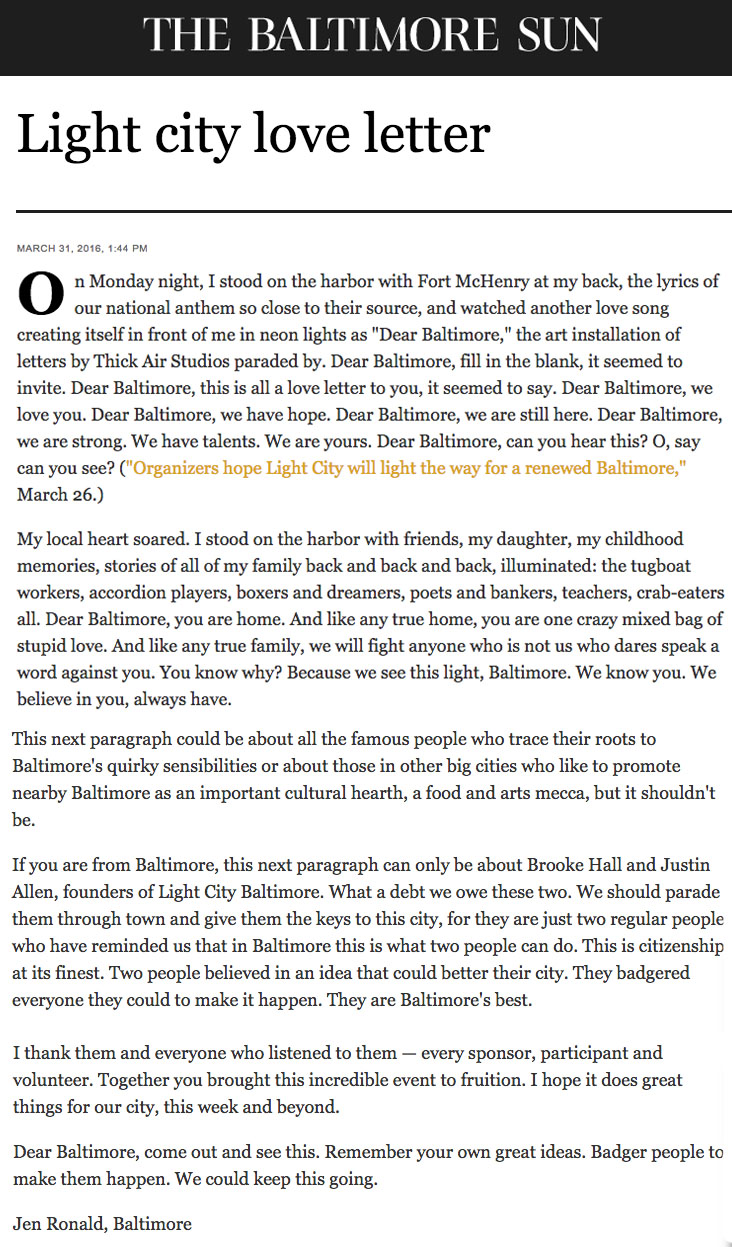
The Baltimore Sun: Multiple front-page features including coverage of the festival’s launch and impact, and “Light City Love Letter”
SmartCEO Magazine: Cover story: “Building a Movement”
The Washington Post: Festival coverage and regional impact
Travel Pulse: National travel feature
Southwest Magazine: National in-flight feature
Fox News: Festival kickoff coverage
CBS Baltimore, ABC2 News, Baltimore Business Journal: Extensive regional coverage