Brand Narrative & Persona Development Behavioral Change Campaign Social Media Global Cultural Phenomenon
Mr. Trash Wheel
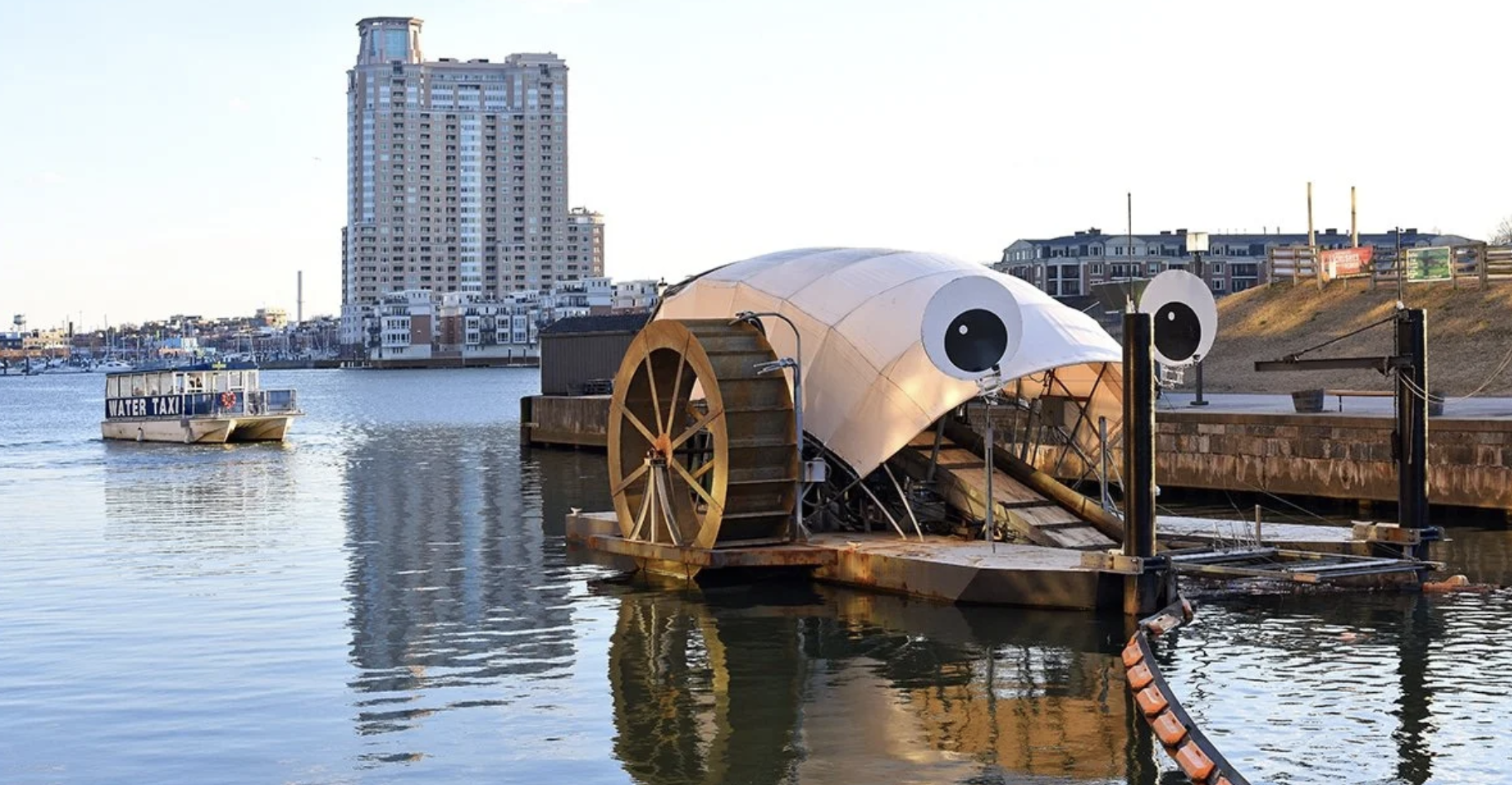
We transformed an innovative harbor trash interceptor into a global environmental icon by creating the personality, storytelling, and social presence that made Mr. Trash Wheel a beloved internet celebrity, cultural landmark, and international symbol for ocean conservancy.
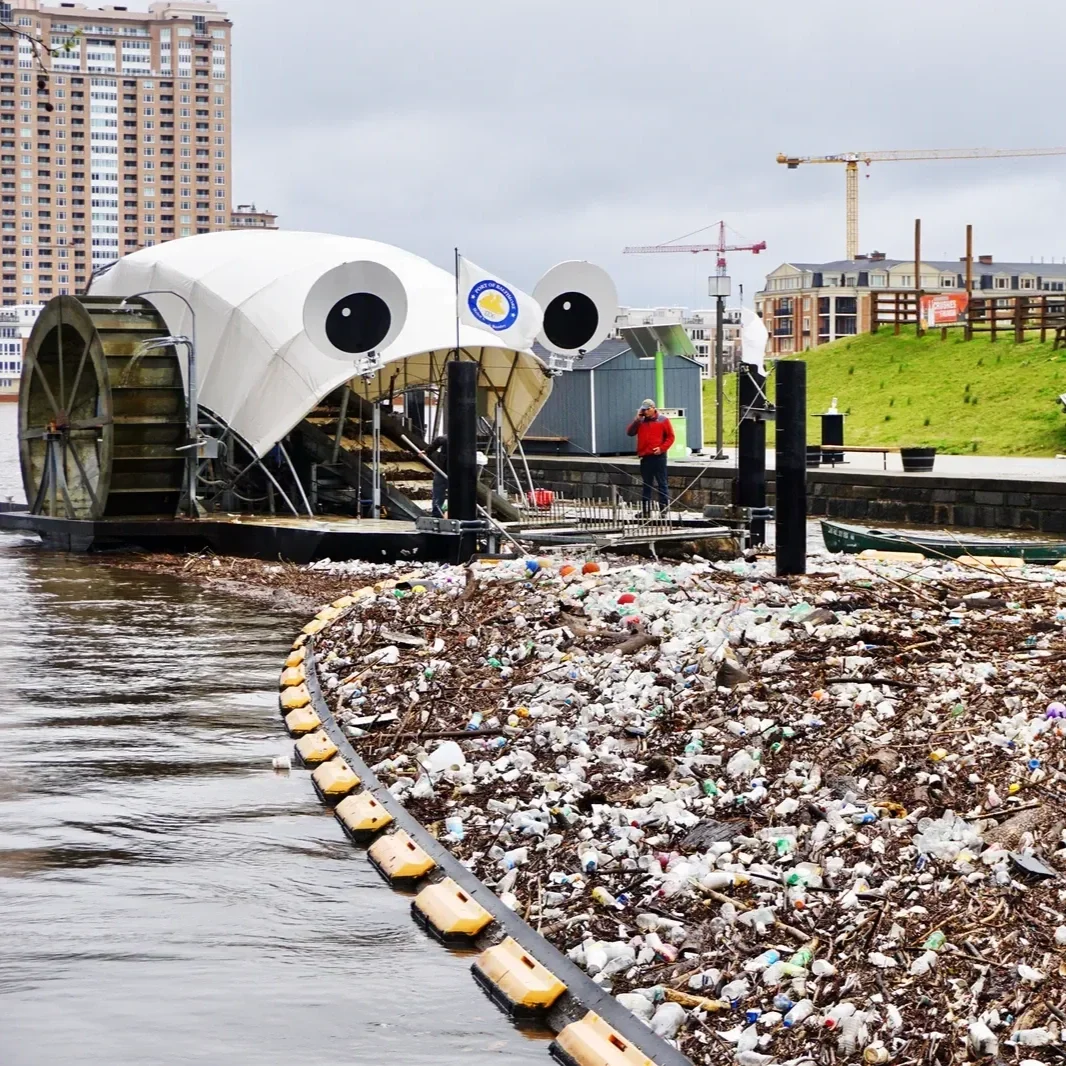
What began as an innovative water cleaning device at the mouth of the Jones Falls River became one of Baltimore’s greatest cultural exports. When early footage of the Inner Harbor Water Wheel caught unexpected attention online, Waterfront Partnership asked What Works Studio to help turn a spark of curiosity into a movement.
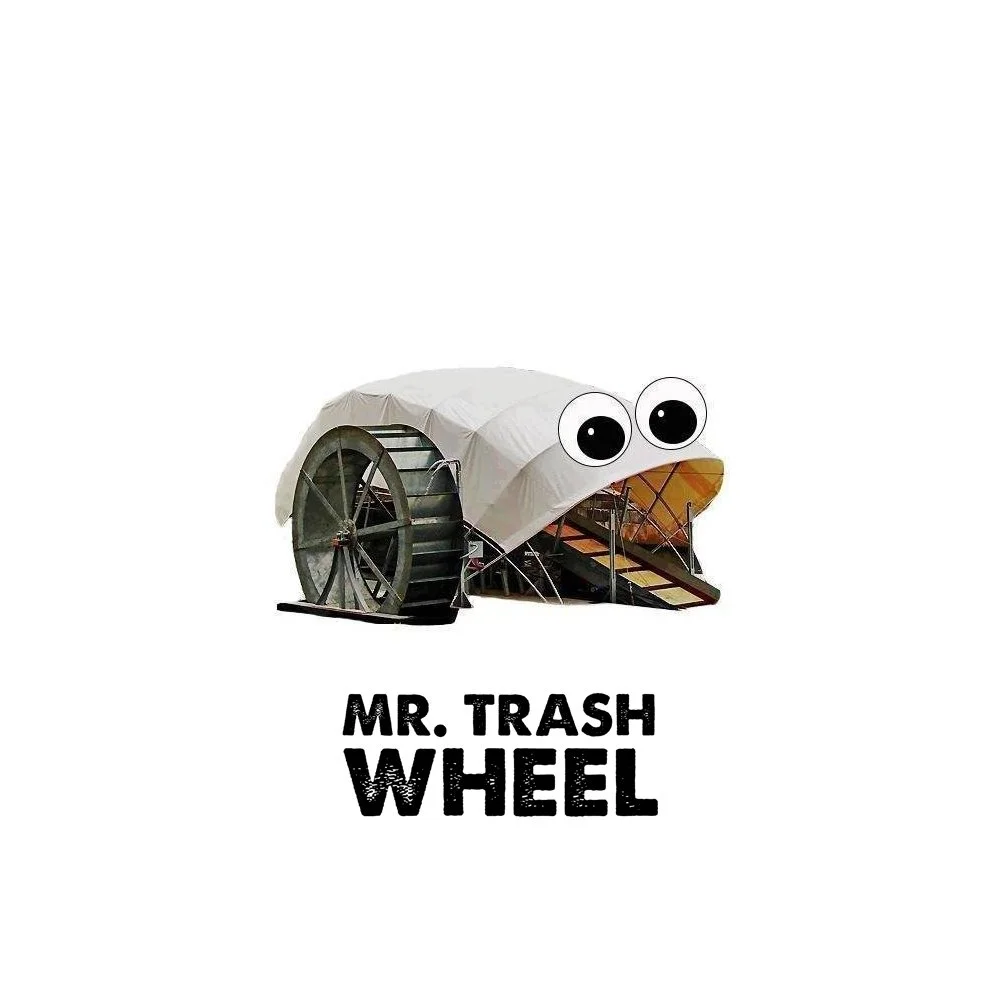
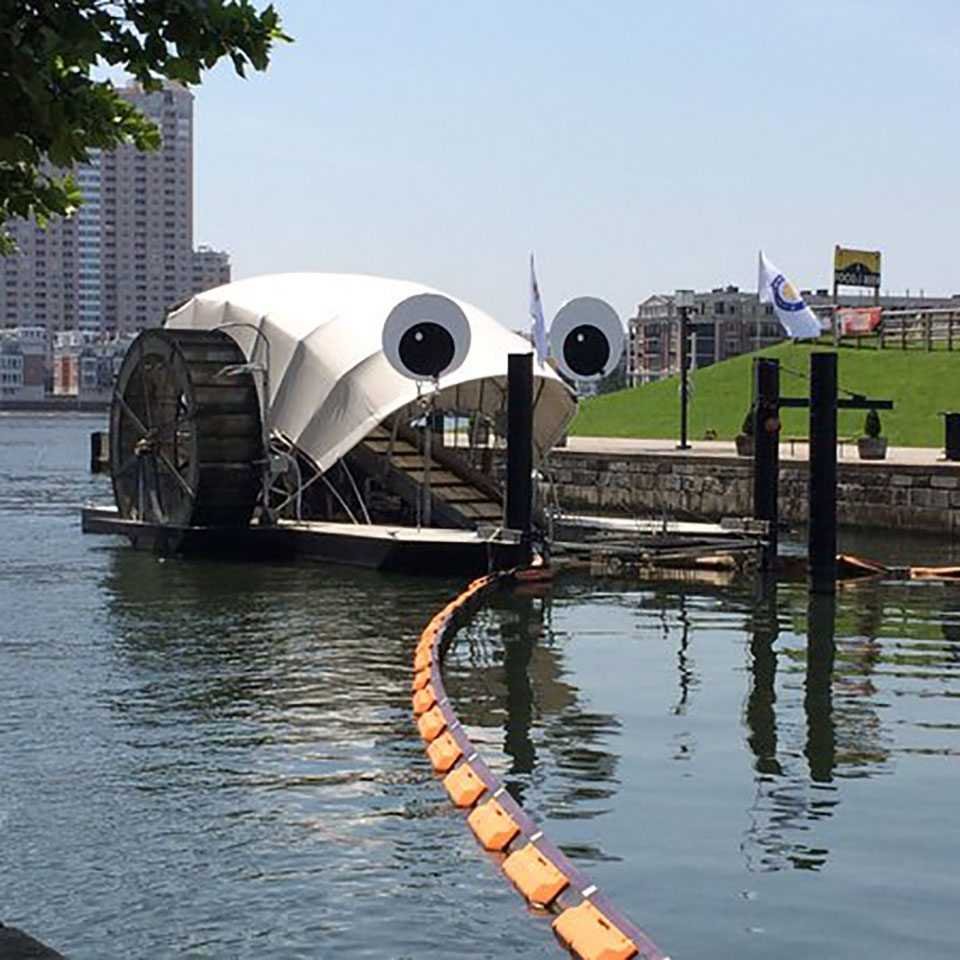
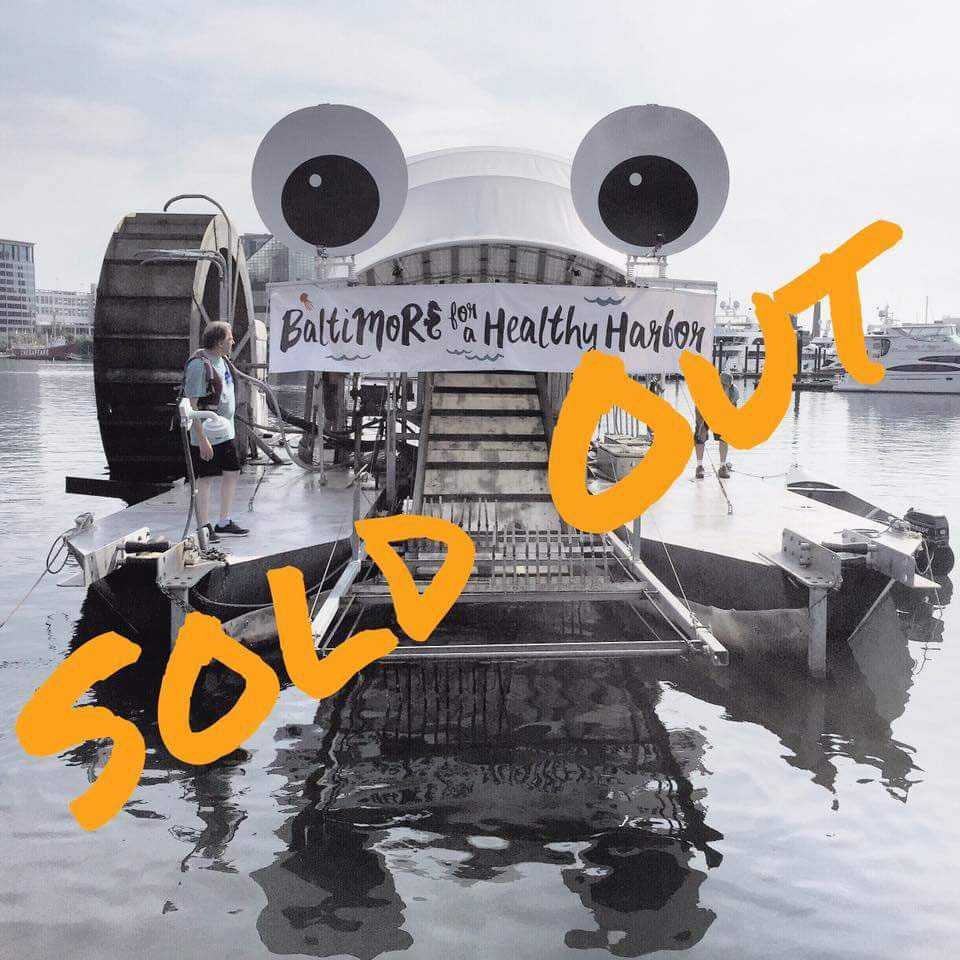
Together, we imagined a public-facing persona for the device that could spark emotion, joy, and global engagement around environmental issues. Justin Allen conceptualized the character with googly eyes and created the name. Brooke Hall created the first mock-up of Mr. Trash Wheel and gifted him his first set of googly eyes, long before real ones were added to the device.
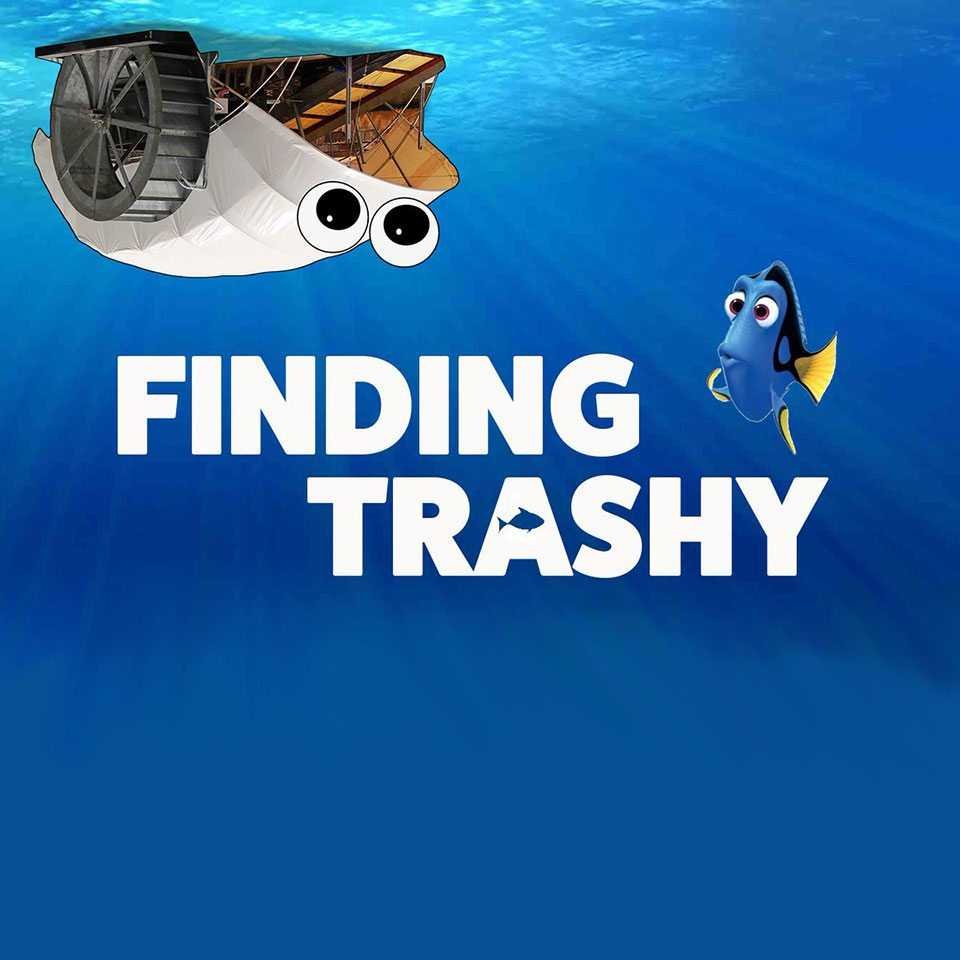
The entire What Works Studio team pitched in, each bringing their own creative lens to the character’s early evolution. Natan Lefkowitz developed the initial voice and coined the tagline “likes tires not broccoli.” Shannon Light Hadley shaped his early personality and crafted many of the iconic memes that helped him spread. Kelly Louise Barton created the Mr. Trash Wheel illustrations. Over time, other What Works staff took over the wheel, but in those early days the whole office often worked on Mr. Trash Wheel together, laughing, brainstorming, and watching the character come to life in real time.
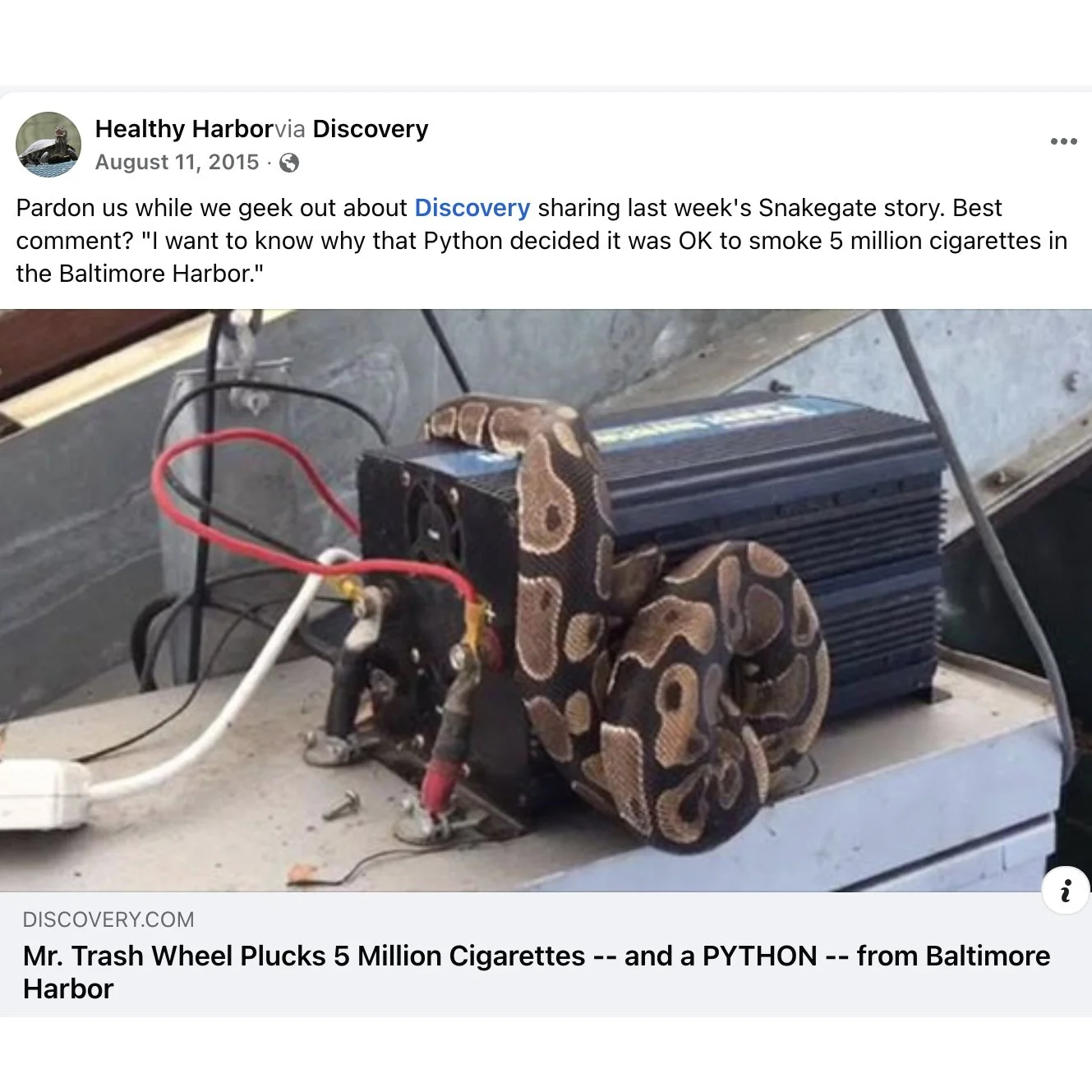
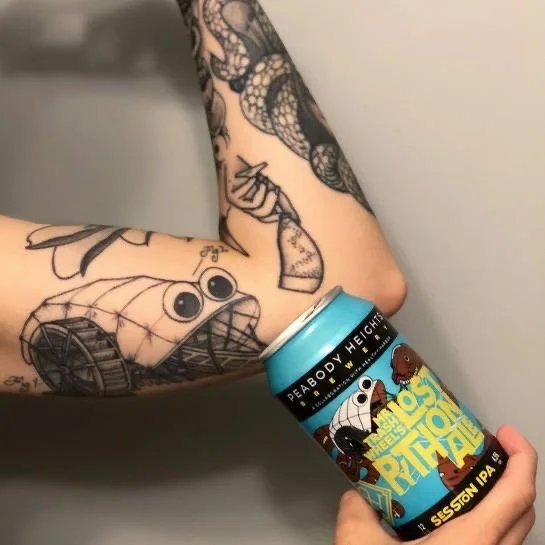
One of Mr. Trash Wheel’s first viral moments came after a summer thunderstorm, when staff discovered that the wheel had collected something far stranger than floating debris: a five foot ball python curled up on its electrical box. The find was so unexpected that What Works Studio turned it into a meme, and it spread instantly across social platforms. Local media picked up the story, online engagement exploded. It became clear that the humble trash wheel character had a unique ability to capture public imagination long before he became a global icon. The famed “lost python” went on to inspire the name of a Baltimore rock band and even a line of beer.
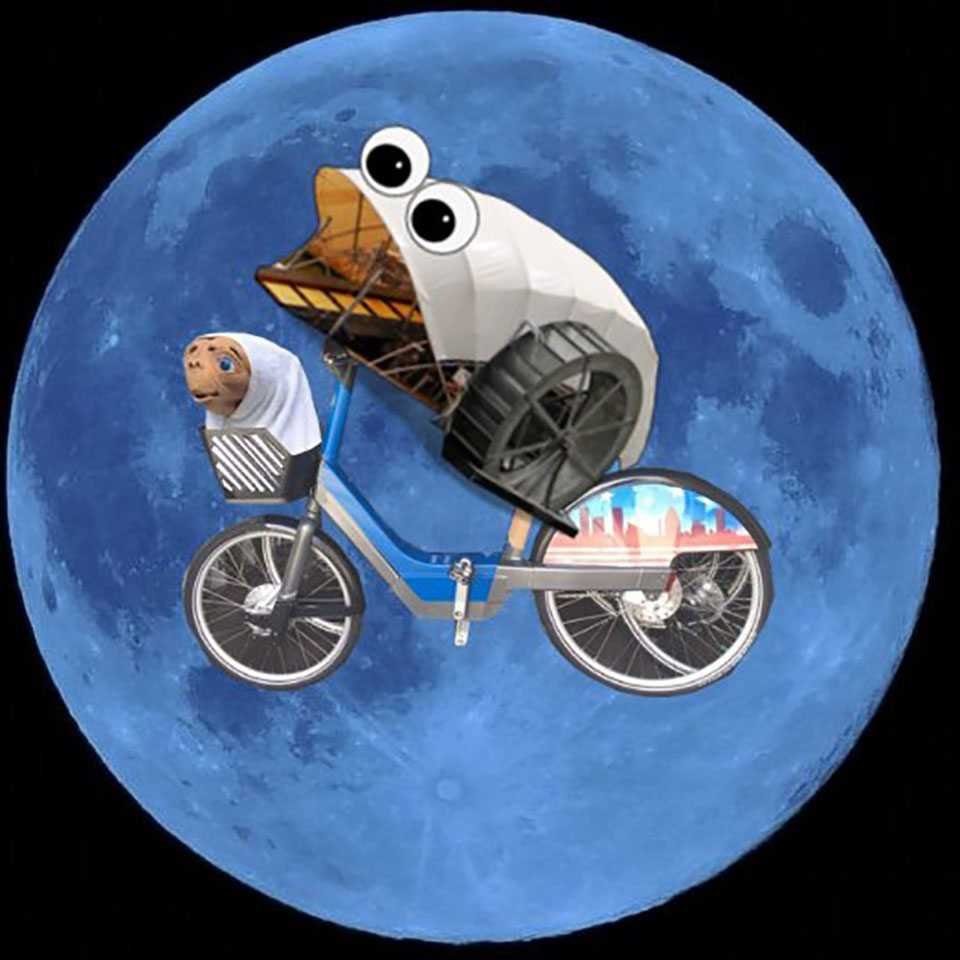
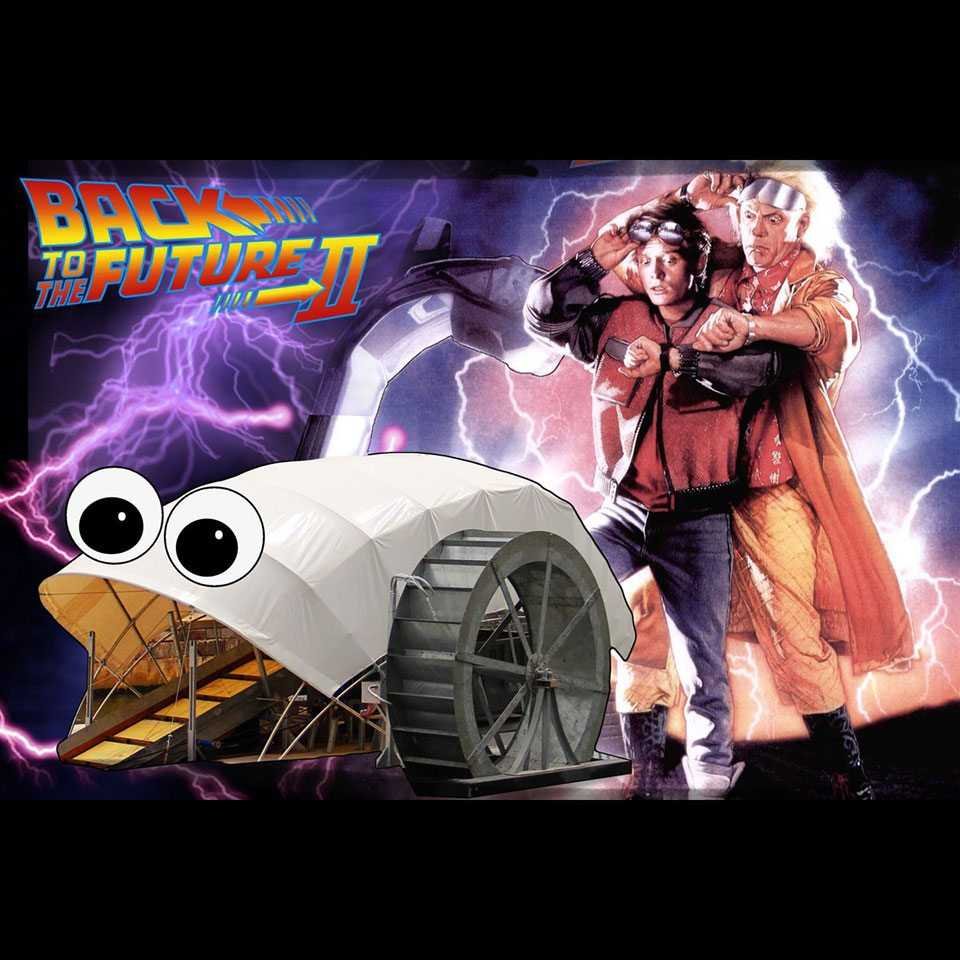
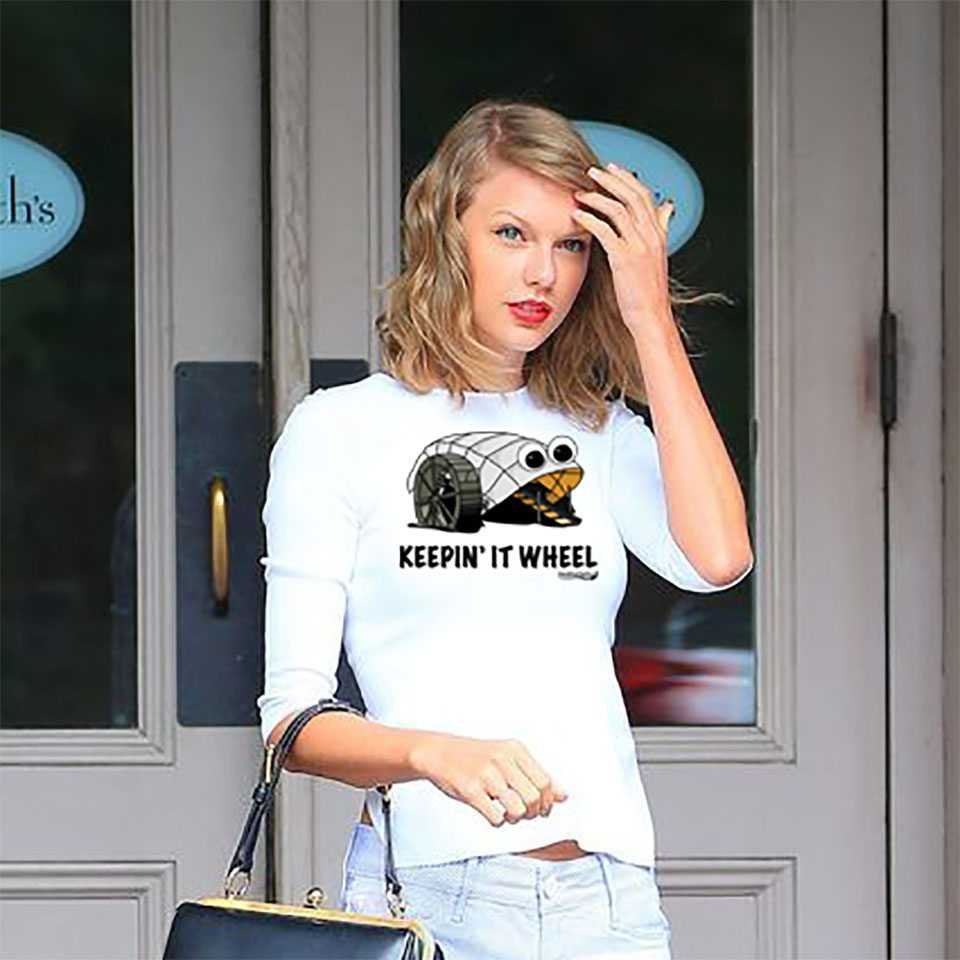
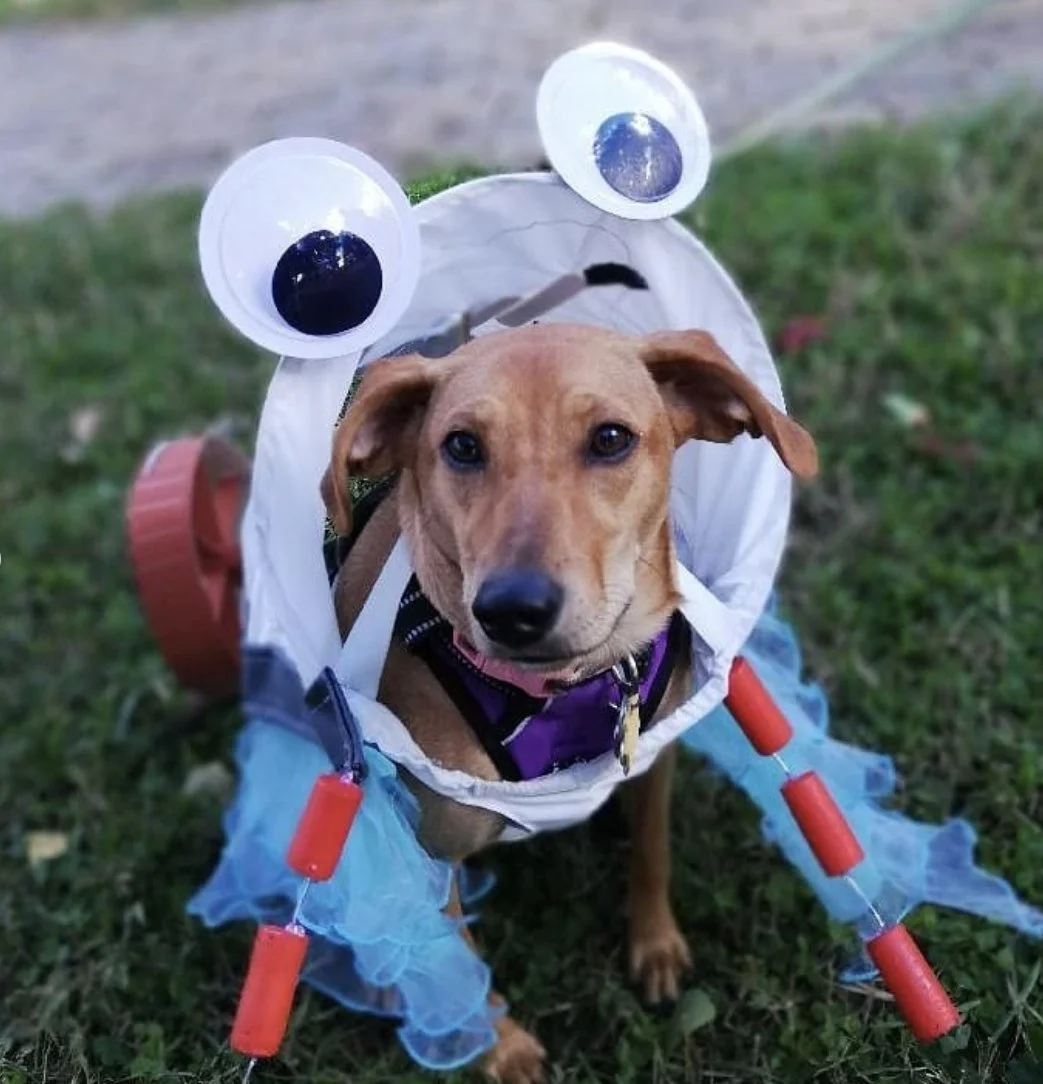
Momentum built fast. From the What Works office, we watched him shoot to the top spot on Reddit during a viral AMA. Tweets arrived in Hindi, Chinese, Norwegian, and German. Visitors traveled from around the world just to see him. Donations poured in, including an unsolicited forty thousand dollar grant from a foundation that discovered the project on Reddit. Fans created artwork, songs, Halloween costumes, video games, and even a line of Mr. Trash Wheel beer. The character inspired additional water wheel personas, including Professor Trash Wheel, and helped raise more than five hundred thousand dollars for a second device.
What followed was a media phenomenon. Mr. Trash Wheel quickly captured public imagination, turning harbor cleanup into a global story. He became Discovery Channel’s #1 story of the year. He appeared in National Geographic’s print edition. Bloomberg captured the cultural moment with the observation that Mr. Trash Wheel “truly captured hearts and minds.” NPR and PBS NewsHour highlighted his impact on families and the city, including one parent who said, “To my son, Mr. Trash Wheel is a hero.”
He earned more than one million impressions on Twitter in a single day. He was praised by the New Yorker as “the most beloved and sensible anti plastic pollution mechanism in the country.”
Wired Magazine explored his role in behavior change campaigns. The Wall Street Journal reported on the growing Trash Wheel movement. He even entered the record books when Guinness World Records recognized him for removing the most floating debris collected by a trash interceptor in a single month. Coverage spread quickly, helping transform a local invention into a global symbol of environmental creativity.
And as the device’s inventor John Kellett reflected to Baltimore Magazine, “It became a national and international sensation. I thought we were just trying to clean up the harbor. The global attention was thrust upon us.”
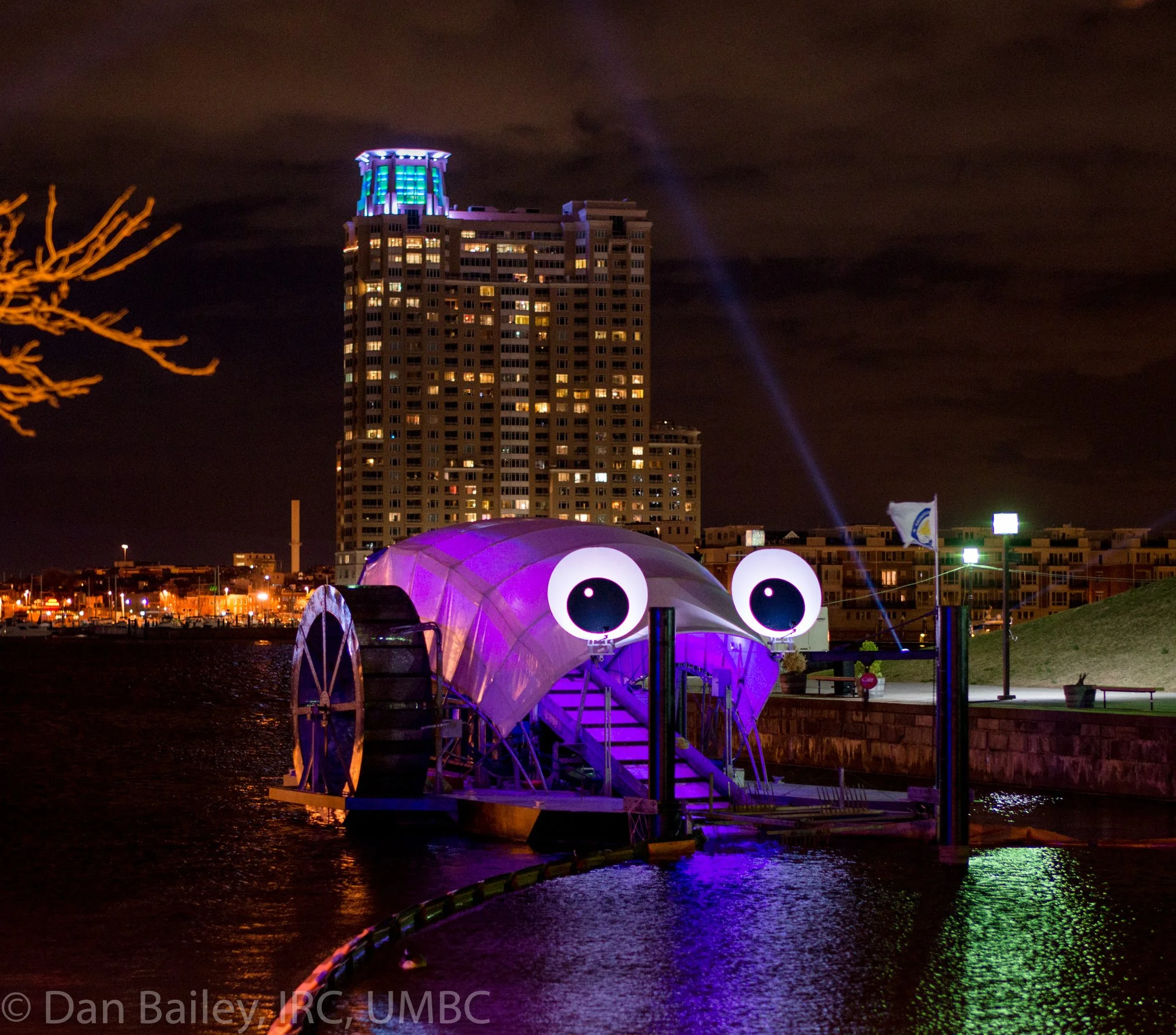
During Baltimore’s Light City festival, another brainchild of Brooke Hall and Justin Allen of What Works Studio, more than 400,000 people crowded the Inner Harbor as Mr. Trash Wheel glowed like part of the installation. Then a gust of wind famously blew off one of his giant googly eyes. The moment went viral, national outlets picked it up, and the missing eye was later discovered in the Jones Falls. Mr. Trash Wheel finished the festival wearing a pirate-style patch and enjoying an even bigger fan base.
As the character evolved, so did the movement behind him. Mr. Trash Wheel became an unlikely environmental ambassador, sparking global attention, inspiring new trash wheels around the world, and giving rise to The Order of the Wheel, a not-so-secret society Justin Allen conceived to turn fans into stewards of the mission.
Today, the Trash Wheel Fan Fest is held each year to celebrate Mr. Trash Wheel, inspiring an ever-growing collection of fan art, costumes, and community creativity.
Mr. Trash Wheel became more than a internet celebrity and hometown hero. He became a national movement and a behavior change campaign that reframed environmental stewardship as joyful, engaging, and accessible. Today, Mr. Trash Wheel has removed millions of pounds of debris from the harbor, matching his internet superstardom with real environmental impact.
Key Outcomes
Discovery Channel’s #1 story of the year
#1 spot on the front page of Reddit during AMA
Featured in National Geographic’s April 2016 print edition
More than one million Twitter impressions in a single day
More than $500,000 raised for a second water wheel
Unsolicited forty thousand dollar grant via Reddit
Tweets and fan messages in many languages
Became a tourist attraction for visitors around the world
Inspired real googly eyes installed on the device
Inspired a Mr. Trash Wheel beer line
Sparked additional Trash Wheel personas including Professor Trash Wheel
Inspired artwork, songs, Halloween costumes, video games, and more
Became a beloved Baltimore landmark
Drew visitors from around the world
Inspired citywide fandom, merch, music videos, video games, a line of beer, a secret society, events, and tattoos
Voted a top pick for “Baltimore’s next mayor” in a public poll
Select Press
The New Yorker: “The most beloved and sensible anti plastic pollution mechanism in the country.”
The New Yorker: “Watching Mr. Trash Wheel in action is almost hypnotic.”
National Geographic: Full print feature in the April 2016 issue
The Guardian: “Meet Mr. Trash Wheel and the devices that eat river plastic”
Bloomberg: Mr. Trash Wheel “captured hearts and minds.”
PBS NewsHour: “Mr. Trash Wheel is a hero.”
Wired Magazine: A model for creative, behavior-changing campaign
Guinness World Records: Recognized for the most floating debris removed by a trash interceptor in one month.
Wall Street Journal: Reported on the rise of the Trash Wheel movement.
NPR: Included in national coverage of inventive conservation efforts.
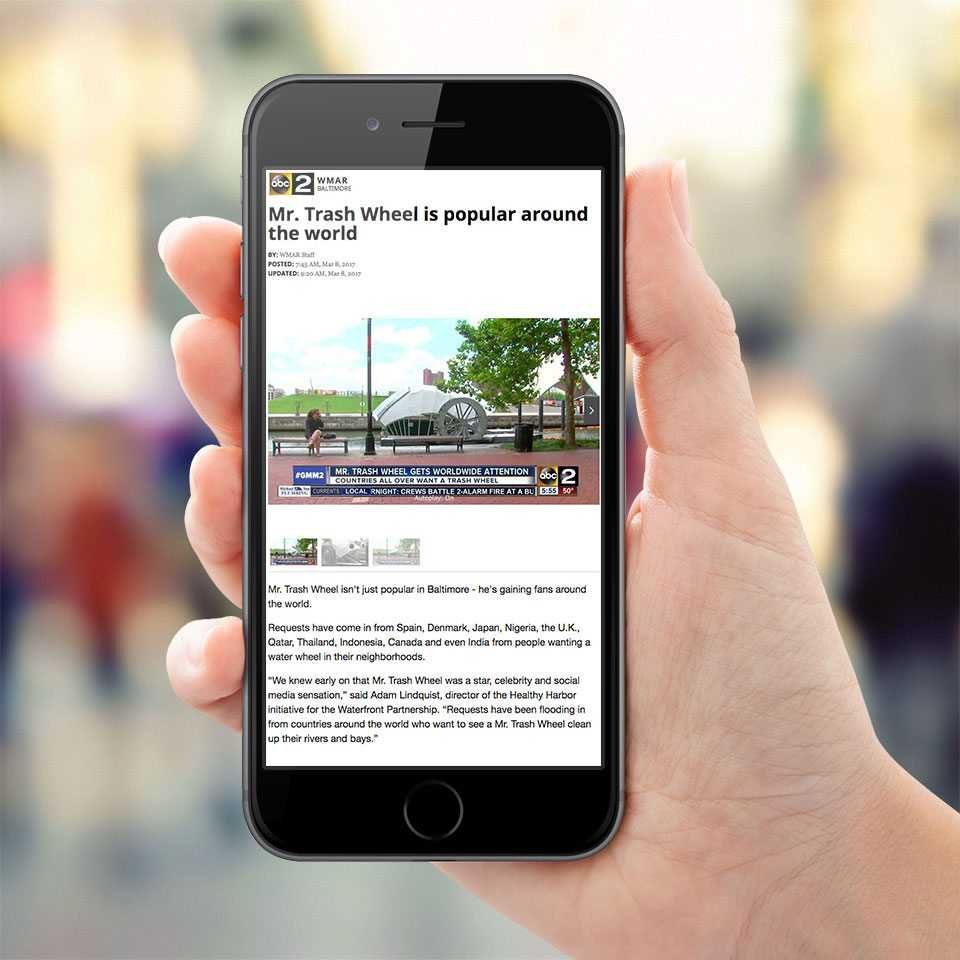
ABC2: “Mr. Trash Wheel is popular around the world”
The Washington Post: Reporting on the rise of the Trash Wheel movement
Reddit AMA: Reached the number one spot on the front page
Wikipedia: Full entry documenting Mr. Trash Wheel’s cultural impact
Baltimore Magazine: “It became a national and international sensation.”
More news coverage of Mr. Trash Wheel